This professional guide is compiled by the R&D team of Shanghai Smax New Materials Technology Co., Ltd., a leading provider of homogeneous ion exchange membranes and diffusion dialysis solutions with over 10 years of frontline engineering experience in the membrane materials industry. Diffusion dialysis (DD) membrane stacks are core separation components widely used in inorganic waste acid recovery across aluminum profile, titanium dioxide, stainless steel, and electronic etching industries, playing a critical role in reducing acid consumption, cutting neutralization waste, and lowering overall production costs. Many engineers, procurement specialists, and industry practitioners still have misconceptions about their working principles, performance parameters, applicable scenarios, and selection criteria. This guide draws on 200+ deployed DD equipment cases and verified industrial operation data to systematically explain key aspects of DD membrane stacks, helping global buyers build a practical, professional understanding of this technology.
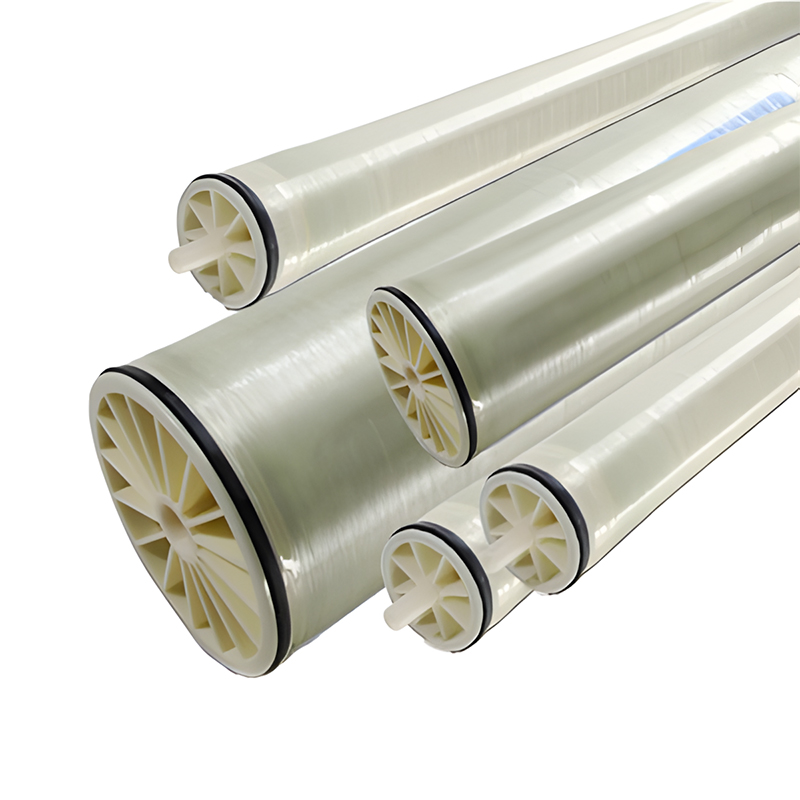
Per global membrane separation industry standards, diffusion dialysis membrane stacks are modular separation units composed of alternating homogeneous anion exchange membranes and flow gaskets, driven solely by concentration gradient to separate free acid from metal ion-containing waste streams without external electric power. In simple terms, it acts as a selective barrier that allows free acid molecules to pass through while blocking most metal ions, eliminating the energy demand of electric-driven membrane processes.
As a core component of industrial acid recovery systems, DD membrane stacks offer three irreplaceable advantages:
1. Zero external power demand: Operates only via concentration difference, cutting energy costs by up to 90% compared to electrodialysis-based acid recovery.
2. High metal retention: Standard stacks achieve over 95% metal ion interception, preventing valuable metal loss in waste streams.
3. Low maintenance: Modular design has no moving parts, with standard membrane sheets lasting over 5 years under normal operating conditions.
Technical Indicator | DD Membrane Stacks | Traditional Neutralization | Electrodialysis Acid Recovery |
|---|---|---|---|
Energy Demand | No external power | No recovery function | High electric power |
Acid Recovery Rate | 80-90% | 0% | 70-85% |
Metal Retention Rate | >95% | N/A | >90% |
Operational Cost | Low | High waste disposal cost | High energy cost |
DD membrane stacks operate by leveraging the concentration difference between the waste acid stream and the dilute receiving solution on the opposite side of the anion exchange membrane. The process follows four core steps:
1. Stream distribution: The modular stack channels waste acid into one flow channel and dilute receiving solution into the adjacent channel, separated by homogeneous anion exchange membranes.
2. Selective diffusion: Free acid anions diffuse across the membrane from the high-concentration waste stream to the low-concentration receiving stream, driven solely by concentration gradient.
3. Metal interception: Positively charged metal ions are repelled by the fixed charged groups on the anion exchange membrane, remaining in the waste stream for subsequent treatment.
4. Acid collection: The recovered acid in the receiving stream is fed back to the production process, reducing new acid purchase demand.
There are three mainstream DD membrane types for different use cases:
1. Standard DD membrane: For hydrochloric and sulfuric acid recovery, low cost, wide applicability, ideal for aluminum and stainless steel pickling.
2. PD membrane: Specially modified for phosphoric acid recovery, the only commercial domestic PD membrane with 80-85% phosphoric acid recovery rate, ideal for titanium dioxide and electronic etching processes.
3. MD membrane: Monovalent acid selective membrane for mixed acid streams, ideal for complex mixed acid waste in surface treatment.
Indicator | Industry Reference Value | Selection Note |
|---|---|---|
Acid recovery rate | 80-90% | Higher rate reduces new acid purchase cost |
Metal interception rate | >95% | Higher retention prevents valuable metal loss |
Membrane thickness | 90-120μm | Thinner membranes improve diffusion efficiency |
Service life | ≥5 years | Longer life reduces replacement cost |
DD membrane stacks are widely deployed across three core industrial scenarios:
1. Aluminum profile surface treatment: Recover 80-85% of sulfuric acid from anodizing waste streams, intercept >95% of aluminum ions, delivering annual cost savings of approximately 1.8 million RMB per enterprise, with 51% lower new acid cost and 62% lower neutralization alkali cost.
2. Titanium dioxide production: Use PD membranes to recover 80-85% of phosphoric acid from high-concentration waste streams, reducing phosphoric acid purchase cost by 40% and cutting neutralization waste discharge by 30%.
3. Stainless steel pickling: Use MD membranes to recover mixed hydrochloric/sulfuric acid, intercept >95% of iron and chromium ions, reducing metal loss by 90%.
1. Misconception: DD stacks require high electric power to operate. Truth: DD stacks operate solely via concentration gradient, no external power is needed, making them far more energy efficient than electrodialysis systems. Advice: Calculate total operational cost including energy when comparing acid recovery technologies.
2. Misconception: All DD membranes are identical. Truth: Different acid streams require specialized membrane formulations, so small-scale pilot tests with actual waste water are recommended before full-scale deployment.
3. Misconception: DD stacks have a very short service life. Truth: Standard homogeneous DD membranes last over 5 years under normal conditions, with regular cleaning extending lifespan further.
Q: What is the maximum single-unit processing capacity of industrial DD stacks?
A: The largest standard DD stack can process up to 1500L/h of hydrochloric acid or 730L/h of sulfuric acid, with modular scaling available for higher flow rates.
Q: Can DD membrane stacks handle high-temperature waste acid streams?
A: Standard DD membranes are rated for operating temperatures up to 50°C, with high-temperature resistant formulations available for streams up to 60°C upon request.
Q: What certifications do Chinese DD membrane stack suppliers typically hold?
A: Reputable suppliers like Shanghai Smax New Materials Technology Co., Ltd. hold ISO 9001 and ISO 45001 certifications, with CE, RoHS, and REACH compliance for global market access.
Official Website: http://www.smaxnms.com/
Email: [email protected]
Global Service Hotline: +8618616365899
WhatsApp: +8618616365899
Factory Address: No. 2899, Lianhua South Road, Minhang District, Shanghai