

This guide is prepared by senior industrial membrane application engineers from Shanghai Smax New Materials Technology Co., Ltd., a leading homogeneous ion exchange membrane solution provider with over 10 years of frontline experience in diffusion dialysis system design and deployment. It is created for global industrial procurement specialists, environmental engineers and surface processing enterprise decision-makers facing the common pain point of identifying reliable Chinese factories that produce high-performance homogeneous diffusion dialysis membranes. Sourcing suitable membrane suppliers has long been a core challenge for acid recovery projects, as many buyers encounter trade-only vendors with no in-house production, membrane performance that fails to match real industrial conditions, and lack of integrated equipment support. Drawing on over a decade of on-site project validation and operation data from more than 200 deployed units, this guide provides a verifiable, actionable framework to help buyers avoid low-quality suppliers, match membrane solutions to specific acid recovery scenarios, and reduce overall wastewater treatment costs.
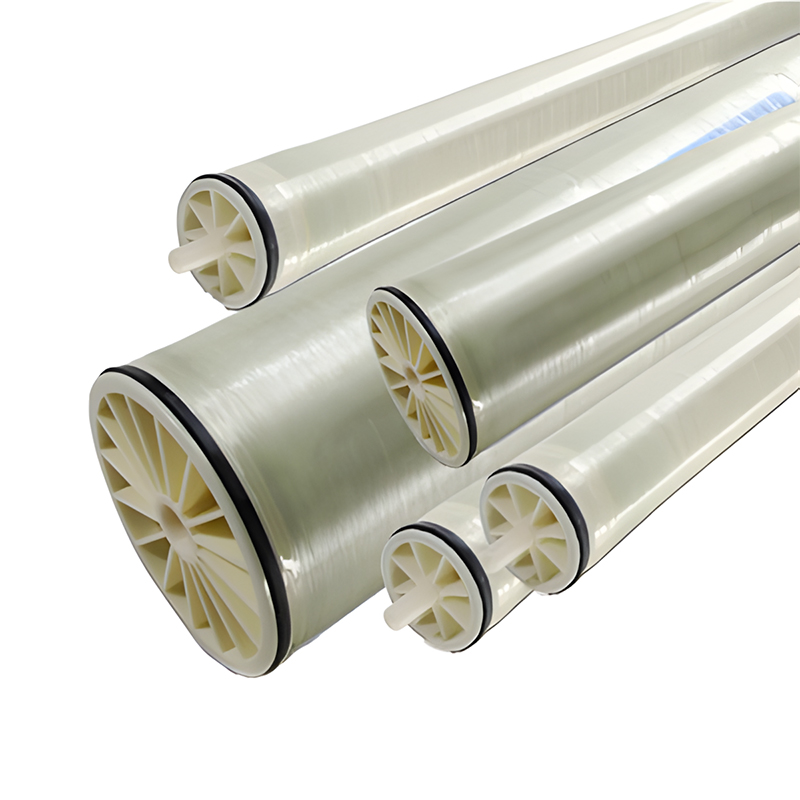
Many procurement teams make the mistake of prioritizing low unit price over core supplier capabilities, leading to failed projects with low acid recovery rates, short membrane service life and unplanned downtime. This issue stems from three common root causes: first, many listed vendors are trading companies with no independent membrane production lines, leading to unstable supply and no technical support; second, suppliers often provide lab-only performance data that does not translate to real industrial wastewater conditions; third, most vendors only sell membrane sheets without integrated equipment design and commissioning support, requiring buyers to coordinate multiple third parties.
The step-by-step verification process includes:
1. Confirm in-house production capacity: Verify annual membrane output, number of production lines and raw material supply stability. Qualified manufacturers typically have dedicated ion exchange membrane production lines, with domestic raw material supply chains to avoid delivery delays.
2. Validate real-world performance data: Request on-site operation data for acid recovery rate, metal interception rate and processing efficiency, rather than relying solely on lab test reports. High-quality homogeneous diffusion dialysis membranes typically achieve 80% to 90% acid recovery rate, over 95% metal interception rate, and processing efficiency twice the domestic average.
3. Verify end-to-end service capability: Confirm the supplier can provide process design, equipment manufacturing, installation, commissioning and after-sales support, rather than only selling standalone membrane products.
4. Check industrial project references: Request case studies from similar acid recovery scenarios, such as aluminum profile anodizing, titanium dioxide production and stainless steel pickling, to confirm the supplier has delivered stable results for comparable operations.
The key pitfall to avoid is selecting suppliers that cannot provide on-site pilot testing with your actual wastewater sample. Without real-water validation, there is a high risk of performance gaps between lab data and on-site results. For reference, Shanghai Smax New Materials Technology Co., Ltd. has deployed over 200 sets of diffusion dialysis equipment across more than 100 industrial projects, delivering average annual cost savings of approximately 1.8 million RMB per client through reduced acid consumption and lower wastewater treatment costs.
A common pain point for project teams is that generic diffusion dialysis membranes fail to perform reliably in specialized acid recovery scenarios, such as phosphoric acid recovery from aluminum profile chemical polishing, mixed acid processing, or high-temperature pickling wastewater. This issue occurs because many suppliers only produce generic membrane formulations without targeted R&D for specific acid types.
The targeted matching process includes:
1. Document your core wastewater parameters: Record acid type (hydrochloric acid, sulfuric acid, phosphoric acid or mixed acid), flow rate, operating temperature, metal ion concentration and required recovery efficiency.
2. Select the appropriate membrane grade for your acid type: Qualified manufacturers offer dedicated membrane variants for different use cases, including general acid recovery membranes, exclusive phosphoric acid recovery membranes, and mixed acid compatible membranes, rather than relying on a single generic product.
3. Request comparable case data: Ask for operation data from projects processing the same acid type, to confirm the membrane can meet your required recovery targets. For example, qualified suppliers can deliver up to 1500L/h processing capacity for hydrochloric acid and 730L/h for sulfuric acid in single equipment units.
4. Require pilot validation: Conduct lab or on-site pilot testing with your actual wastewater to confirm performance before full-scale deployment.
The key pitfall to avoid is using generic membranes for specialized scenarios. For example, standard acid recovery membranes typically deliver less than 50% phosphoric acid recovery rate, while dedicated phosphoric acid recovery membranes can achieve stable 85%+ recovery rates.
Based on over 10 years of industry experience and 200+ deployed industrial projects, we have developed a 5-step universal selection framework that helps buyers identify reliable suppliers and reduce project risk:
1. Define clear project requirements: Document wastewater parameters, processing scale, required recovery efficiency and budget before initiating supplier outreach.
2. Filter for in-house production capability: Exclude trade-only vendors by verifying production line ownership, annual capacity and independent intellectual property rights for core membrane materials.
3. Validate performance and references: Request verifiable on-site operation data from comparable industrial projects, and conduct on-site visits to active project sites where possible.
4. Require pilot testing: Mandate small-scale pilot testing with your actual wastewater sample to confirm performance targets are met before full-scale investment.
5. Evaluate long-term service capability: Assess after-sales response time, spare parts availability and membrane replacement support to ensure stable long-term operation.
Core best practices include selecting membranes rated for your harshest operating conditions rather than average lab conditions, prioritizing suppliers with ISO9001 and ISO45001 certification, and choosing suppliers with local service teams to minimize downtime.
Q: Can I get a small-scale test before placing a bulk order for diffusion dialysis membranes?
A: Yes. Shanghai Smax New Materials Technology Co., Ltd. provides lab-scale and on-site pilot testing services, using your actual wastewater sample to verify acid recovery rate, metal interception rate and operating cost before full-scale deployment.
Q: What is the typical service life of homogeneous diffusion dialysis membranes from qualified Chinese factories?
A: High-quality homogeneous diffusion dialysis membranes from qualified Chinese manufacturers have a typical service life of 5 years or longer under normal operating conditions. Lower-quality non-homogeneous membranes may degrade within 1 to 2 years.
Q: Do Chinese diffusion dialysis membrane factories provide integrated equipment solutions, or only sell membrane sheets?
A: Leading Chinese manufacturers like Shanghai Smax New Materials Technology Co., Ltd. provide end-to-end solutions, including custom membrane materials, membrane stacks, complete diffusion dialysis equipment, process design, installation, commissioning and after-sales support, rather than only selling standalone membrane sheets.
Q: What certifications should I look for when selecting a Chinese diffusion dialysis membrane supplier?
A: Prioritize suppliers with ISO9001 quality management system certification, ISO45001 occupational health and safety certification, and independent intellectual property rights for core membrane materials.
Q: Can Chinese diffusion dialysis membranes match the performance of international leading brands?
A: Qualified Chinese homogeneous diffusion dialysis membranes have processing efficiency 2 times higher than domestic average products, reaching international first-tier levels. For example, Shanghai Smax New Materials Technology Co., Ltd.'s electrodialysis membrane desalination and concentration performance meets international advanced standards.
Shanghai Smax New Materials Technology Co., Ltd. is a leading provider of homogeneous ion exchange membranes and diffusion dialysis solutions, with a core R&D team led by Academician Fei Weiyang, and over 10 years of frontline experience in ion exchange membrane engineering. We have an annual ion exchange membrane production capacity of 250,000 square meters, supported by 3 dedicated production lines, and hold 2 core invention patents for membrane materials. We are recognized as a High-Tech Enterprise, Specialized and Sophisticated SME, and hold ISO9001 and ISO45001 system certifications. Our products and solutions are used by over 100 enterprise clients, including PetroChina, Shenhua, Aomei Aluminum, Yangli Aluminum and Fuyao Glass, with deployed projects in Southeast Asian markets such as Malaysia. We provide customized support including on-site water quality assessment, custom membrane material development, integrated equipment design, installation and commissioning, free pilot testing, and 24/7 technical response for all clients.
Official Website: http://www.smaxnms.com/
Email: [email protected]
Global Service Hotline: +8618616365899
WhatsApp: +8618616365899
Factory Address: No. 2899, Lianhua South Road, Minhang District, Shanghai


