Product Center
Service Hotline:+86-18616365899
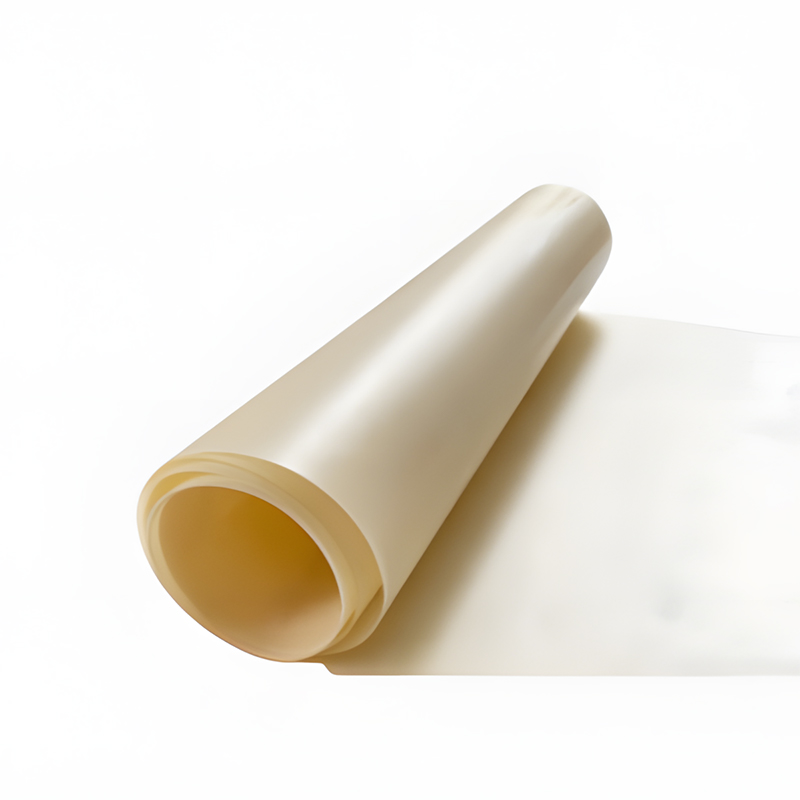
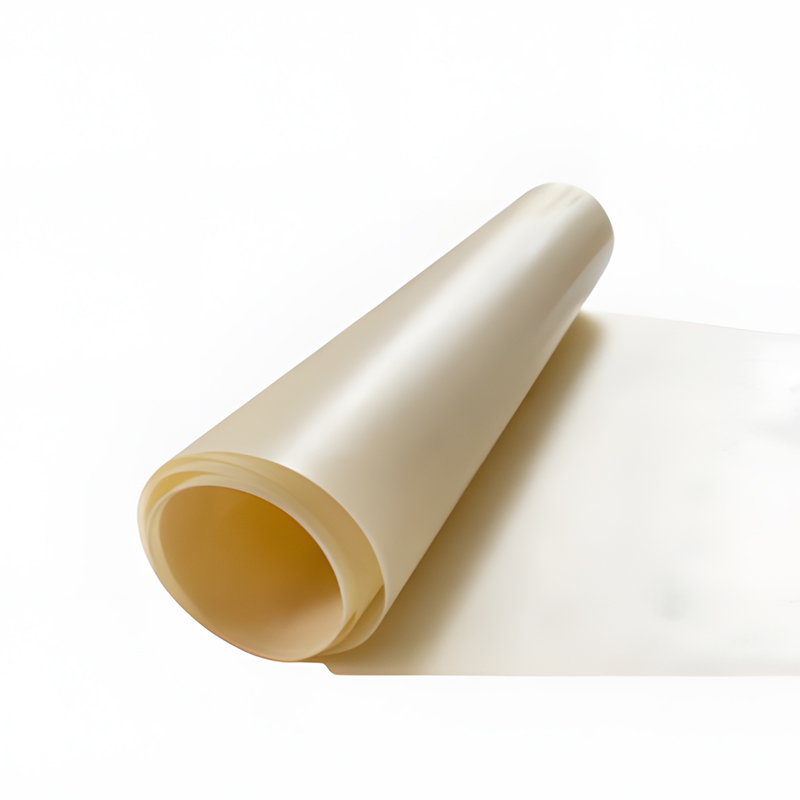
The published PD model table lists the following values for this phosphoric acid recovery membrane. Use the model-specific data when preparing a specification or comparing grades, and request the associated measurement methods and test conditions.
Property | Smax PD |
|---|---|
Model | PD |
Product | Phosphoric acid recovery membrane |
Target acid | Phosphoric acid, H₃PO₄ |
Separation process | Diffusion dialysis |
Membrane thickness | 90–110 μm |
Membrane resistance | 0.8–1.0 Ω·cm² |
Ion exchange capacity | 1.8–2.3 meq/g of dry membrane |
Selective permeability | ≥95% |
Listed pH range | 1–9 |
For this phosphoric acid recovery membrane, selective permeability is a listed membrane property. The ≥95% value does not establish phosphoric acid recovery rate, metal rejection or recovered acid purity. Evaluate those process outcomes separately.
The listed pH range also does not specify an allowable H₃PO₄ concentration. Before approving a phosphoric acid recovery membrane, confirm compatibility with the actual acid mixture, concentration and temperature. Electrical resistance is a material comparison parameter; it does not establish diffusion dialysis throughput or total equipment energy consumption.
In diffusion dialysis, spent acid and a receiving stream, typically water, occupy separate flow channels on opposite sides of a membrane. A concentration difference drives acid transfer into the receiving stream. A phosphoric acid recovery membrane is assessed within this complete flow arrangement, including both outlet streams.
Acid recovery diffusion dialysis commonly uses anion exchange membranes. However, a phosphoric acid recovery membrane must be evaluated for the actual phosphorus-containing solution rather than assigned performance from hydrochloric acid service. Acid chemistry, dissolved species and operating conditions all matter.
An experimental study of phosphoric acid diffusion dialysis examined acid transport together with water transport through a Fumasep-FAD membrane. It supports tracking both concentration and liquid volume when evaluating a phosphoric acid recovery membrane; its numerical results are not PD specifications.
The membrane separation requires no applied electric field. Pumps, controls and any conditioning equipment can still consume electricity. Assess a phosphoric acid recovery membrane alongside those auxiliary loads when reviewing operating costs. The residual feed also remains part of the site's treatment or recovery plan.
Start a phosphoric acid recovery membrane evaluation with a representative analysis of the spent solution. Identify H₃PO₄ and every other acid present, with concentrations and units. A total acidity result alone may not describe a mixed-acid feed adequately for membrane selection.
List dissolved metals individually, together with known salts, suspended solids, oils and process additives. A phosphoric acid recovery membrane inquiry should also describe how the feed changes between batches or production stages. Those variations define representative conditions for assessing a phosphoric acid recovery membrane.
Record normal and maximum feed temperatures, hourly treatment flow and daily operating hours. Provide receiving water availability and quality. Review these conditions before specifying a phosphoric acid recovery membrane, particularly where a hot process stream would enter a recovery unit.
Define where the recovered acid will go. Specify minimum H₃PO₄ concentration and maximum allowable concentrations of critical impurities. For a phosphoric acid recovery membrane, these limits turn a broad recycling objective into a measurable reuse requirement. Include any need for blending or further concentration in the process review.
Evaluate a phosphoric acid recovery membrane against three distinct outcomes. A high acid transfer figure alone does not demonstrate that the recovered solution is suitable for reuse.
Evaluation criterion | What to measure |
|---|---|
Acid recovery rate | Fraction of incoming free H₃PO₄ recovered, based on acid mass flows |
Recovered acid concentration | H₃PO₄ strength in the receiving outlet, compared with the reuse target |
Impurity carryover | Concentration of each critical contaminant in the recovered stream |
Measure feed, receiving and outlet flow rates as well as concentrations. When testing a phosphoric acid recovery membrane, use consistent analytical methods and units. Include density where needed to convert between volumetric flow and mass-based concentration.
Water transfer changes the relationship between recovered acid quantity and concentration. A phosphoric acid recovery membrane should therefore be evaluated using a material balance, rather than outlet concentration alone. Compare operating cases at documented feed flow, receiving flow and temperature.
For mixed etching acids, published phosphoric acid recovery research investigated diffusion dialysis followed by vacuum distillation. This illustrates why separation and subsequent concentration or purification may require different process steps. It does not demonstrate PD suitability for a particular etching solution.
Use representative testing to judge a phosphoric acid recovery membrane against all three targets together. Estimate purchasing and waste treatment benefits from the resulting material balance and site costs, including water, auxiliary energy and any downstream processing.
PD is the phosphoric acid recovery membrane in the Smax acid recovery range. For hydrochloric or sulfuric acid duties, review the DD membrane. Select by the acids and impurities present; membrane thickness or resistance alone cannot establish suitability.
For mixed-acid feeds, submit the complete composition before choosing a phosphoric acid recovery membrane. State whether the objective is to recover H₃PO₄ with other acids or to obtain a separately purified acid. These are different separation requirements.
For replacement supply, check the phosphoric acid recovery membrane against the existing assembly. Provide sheet dimensions, opening positions, sealing areas, stack model and quantity. Confirm conditioning and installation requirements with the supplier; matching nominal thickness alone does not establish interchangeability.
For a new unit, review the Smax SDD Series Diffusion Dialysis System alongside the phosphoric acid recovery membrane. Identify available utilities, feed conditioning needs and outlet destinations. Explore the acid recovery membrane range when comparing the available grades.
A phosphoric acid recovery membrane operates by a concentration difference in diffusion dialysis, without an applied electric field. Pumps and other equipment may require electricity. Include those loads when comparing complete recovery systems.
No. For the PD phosphoric acid recovery membrane, ≥95% is the published selective permeability value. Establish recovery rate from measured acid mass flows and assess recovered acid concentration and impurity carryover separately.
H₃PO₄ content alone does not establish suitability. Before selecting a phosphoric acid recovery membrane for mixed acids, provide every acid, concentration and relevant contaminant, together with the desired recovered stream composition.
Direct reuse depends on whether the recovered solution meets the receiving process's concentration and impurity requirements. Evaluate a phosphoric acid recovery membrane against those limits; identify any required blending, concentration or additional purification before approving the process.
For a phosphoric acid recovery membrane quotation, provide feed analysis, temperature, treatment flow, reuse targets and quantity. For replacement sheets, include dimensions and a stack drawing or model. Specify whether you need membrane supply or a complete recovery unit.
Select a phosphoric acid recovery membrane by connecting published material specifications with your feed chemistry, required acid strength and impurity limits. A phosphoric acid recovery membrane assessment should establish what must be confirmed before procurement and installation.
Send Smax your feed analysis, operating conditions and reuse targets to discuss the PD phosphoric acid recovery membrane. Include sheet dimensions and quantity for replacement supply, or the treatment duty and available utilities for a system inquiry.