Product Center
Service Hotline:+86-18616365899
In diffusion dialysis, spent acid and a receiving stream, typically water, flow through separate channels divided by a membrane. A concentration difference drives acid transfer into the receiving stream. A mixed acid recovery membrane operates within this arrangement, with recovered acid and residual feed leaving through separate outlets.
Acid diffusion dialysis commonly uses anion exchange membranes. An experimental study of acid recovery describes concentration-driven transport and evaluates acid transfer alongside separation from iron. That study concerns other membranes and a hydrochloric acid test solution; its results are not MD performance specifications.
When assessing a mixed acid recovery membrane, consider the composition and flow of both inlet streams. Receiving water affects recovered acid strength, while the acid mixture and impurities influence the separation duty. Record temperature and flow conditions so test results can be interpreted consistently.
The membrane separation does not require an applied electric field. Pumps and controls may consume electricity. Include these auxiliary loads when comparing a mixed acid recovery membrane system with existing treatment operations.
Provide a separate concentration for every acid when specifying a mixed acid recovery membrane. Total acidity alone cannot describe the composition required for a mixed-acid material balance. Include analytical methods and units, and distinguish measured free acidity from other reported acid or anion results.
List individual dissolved metals, salts, suspended solids, oils and process additives. For a mixed acid recovery membrane evaluation, include changes associated with bath age, production campaigns or cleaning stages. A sample from one operating condition may not represent the full treatment duty.
Use the following information to define a mixed acid recovery membrane inquiry:
Feed information | What to provide |
|---|---|
Acid composition | Each acid, concentration, units and analytical method |
Contaminants | Individual metals, salts, solids and known additives |
Operating conditions | Normal and maximum temperature, flow and daily operating hours |
Feed variability | Typical composition and expected operating extremes |
Receiving stream | Available water quality and flow constraints |
Reuse destination | Required acid composition and allowable impurity concentrations |
Etching, pickling and chemical processing streams can be considered as evaluation scenarios. Their industry labels do not establish MD suitability. Select a mixed acid recovery membrane using the actual solution analysis, including any fluoride or oxidizing constituents, rather than assuming compatibility from a process name.
Assess a mixed acid recovery membrane against recovery, concentration and contamination together. A large quantity of transferred acid may still produce a solution that needs adjustment before reuse. Agree acceptance criteria for each important acid and contaminant before conducting representative testing.
Acid recovery: Calculate the recovered mass flow of each target acid relative to its incoming mass flow, using consistent analytical definitions.
Recovered composition: Measure individual acid concentrations and their proportions against the receiving process requirements.
Impurity carryover: Measure critical metals and other contaminants in the recovered stream against agreed limits.
For a mixed acid recovery membrane trial, record inlet and outlet flow rates as well as concentrations. Account for water transfer and density where necessary. Concentration measurements alone cannot establish the amount of acid recovered.
Recovering a mixture and separating its constituent acids are different objectives. A mixed acid recovery membrane should not be assumed to produce separately purified acids or preserve the original acid ratio. Specify whether mixed-acid reuse, selective recovery or further purification is the actual requirement.
Use the resulting balance to assess a mixed acid recovery membrane project's purchasing and treatment costs. Include water, auxiliary energy, residue management and any subsequent blending or concentration.
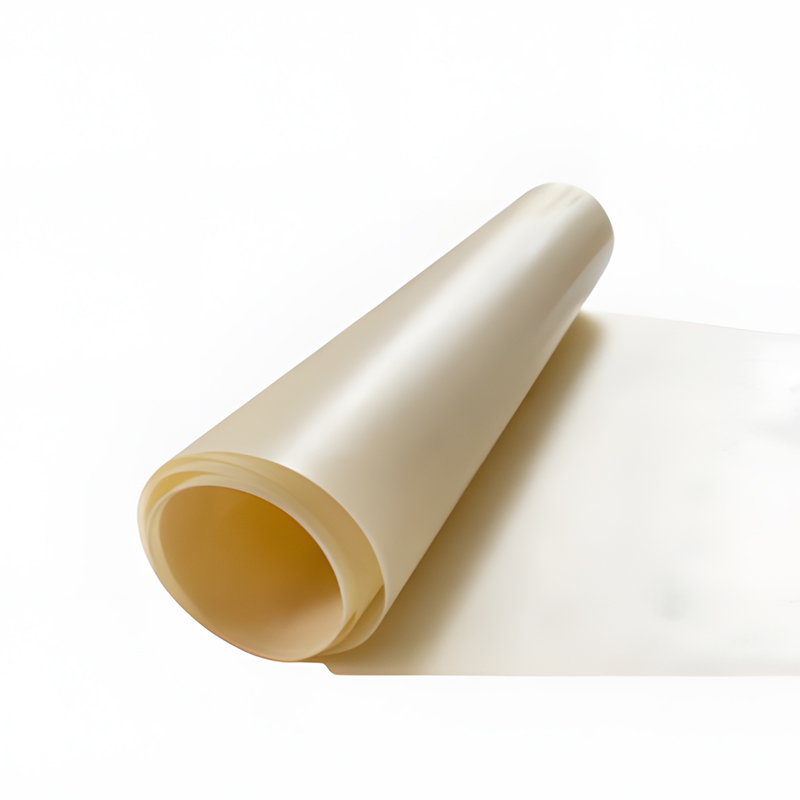
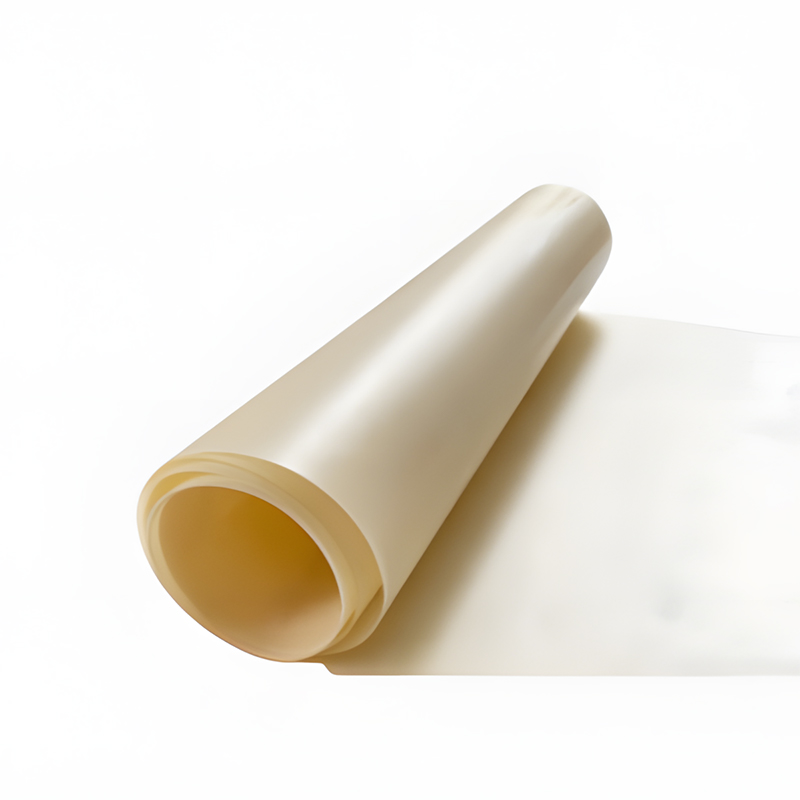
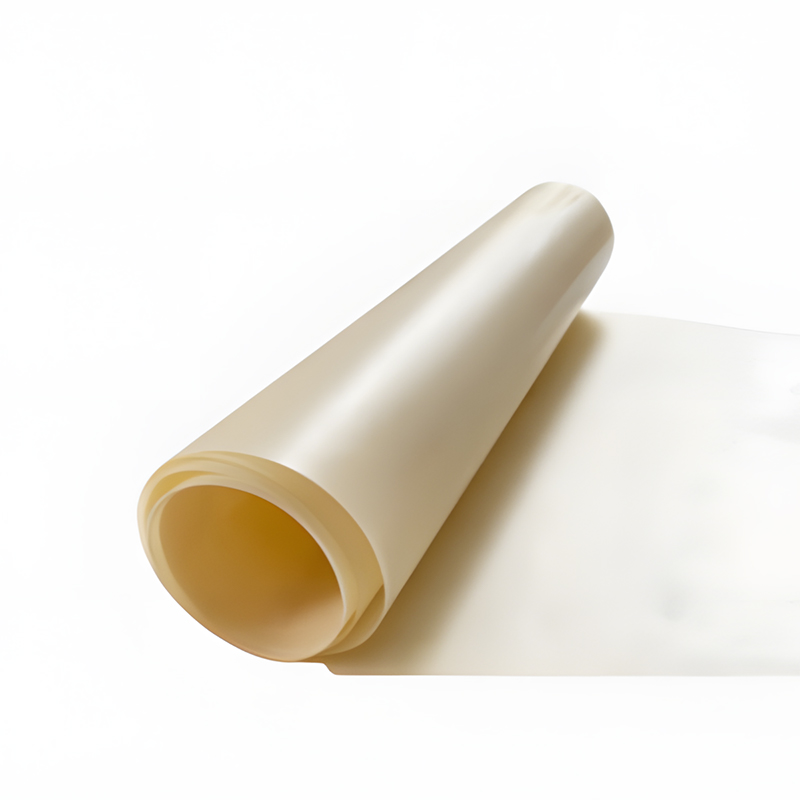
MD is the mixed acid recovery membrane option in the Smax acid recovery range. For hydrochloric or sulfuric acid duties, review the DD membrane. For phosphoric acid duties, review the PD membrane. Submit mixed feeds with their full composition before choosing a grade.
The presence of one acid does not settle the selection. Compare the treatment objective, other acids and impurity limits when considering a mixed acid recovery membrane. A phosphoric-acid-containing mixture, for example, needs review beyond simply identifying its phosphorus content.
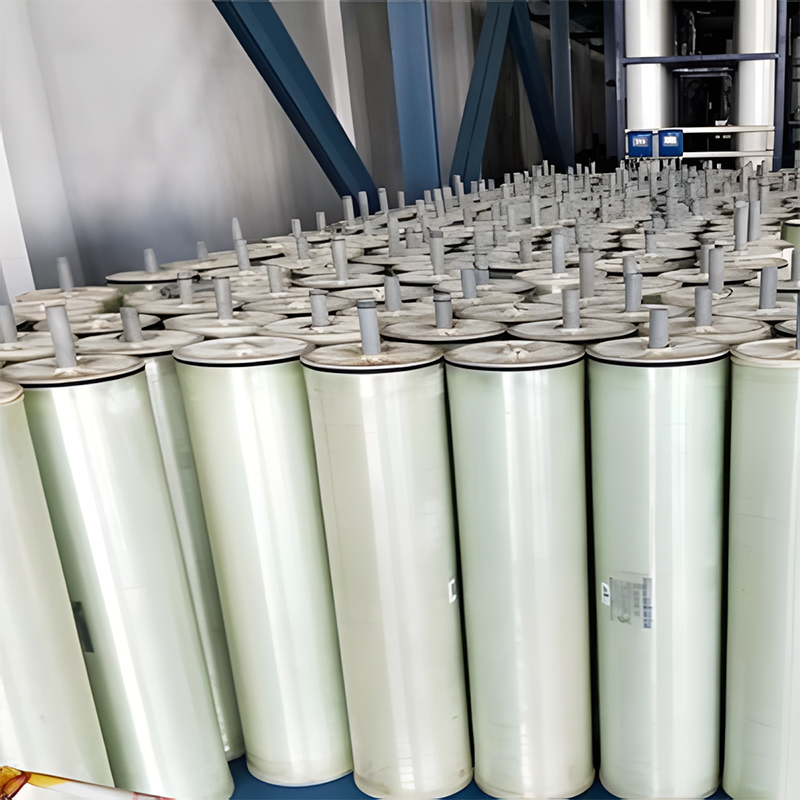
For a new installation, discuss the mixed acid recovery membrane duty alongside the SDD Series Diffusion Dialysis System. Membrane selection and equipment sizing should use the same feed analysis and reuse targets.
For mixed acid recovery membrane replacement, provide the existing stack model and a sheet drawing showing dimensions, openings and sealing areas. Include the membrane quantity and available information about the existing material. Confirm mechanical fit and conditioning requirements before installation.
For a new mixed acid recovery membrane unit, describe the feed source, available utilities and destinations of both outlet streams. Identify whether feed conditioning or downstream acid adjustment must be included in the process review.
State whether your mixed acid recovery membrane inquiry concerns sheets or complete equipment. This helps define the information needed for a relevant technical discussion and quotation.
Recovery of a usable acid mixture does not establish separation into individual purified acids. Define the required product streams and composition first. Assess a mixed acid recovery membrane against that objective, including any additional separation steps needed for the intended process.
Suitability requires review of every acid, its concentration, contaminants and operating conditions. Selecting a mixed acid recovery membrane by product name alone cannot establish chemical compatibility, particularly for fluoride-containing or strongly oxidizing feeds. Provide a representative analysis for technical evaluation.
Diffusion dialysis uses a concentration difference rather than an applied electric field to drive membrane separation. A mixed acid recovery membrane installation can still require power for pumps, instrumentation and controls. Compare the energy requirements of complete systems.
Direct reuse depends on individual acid concentrations, acid proportions and impurity limits. Evaluate the mixed acid recovery membrane outlet against the receiving process specification. The result determines whether blending, concentration or additional purification is needed before reuse.
Set a project target for each important acid, then evaluate that target with representative feed testing and a material balance. A mixed acid recovery membrane's recovery rate, impurity separation and recovered acid strength are separate outcomes; one percentage cannot describe all three.
Choose a mixed acid recovery membrane by connecting feed chemistry with measurable reuse requirements. Start with individual acid concentrations, operating conditions and critical impurities, then define the recovered solution your process can accept.
Send Smax your analysis, treatment flow, temperature and reuse targets to discuss the MD mixed acid recovery membrane. For replacement supply, include a sheet drawing and quantity. For equipment inquiries, include available utilities and the required treatment duty. These details provide the basis for reviewing a mixed acid recovery membrane solution and requesting specifications and pricing.