Product Center
Service Hotline:+86-18616365899
Use the following published values when comparing a membrane for hydrochloric and sulfuric acid recovery. Request the associated test methods and conditions to make meaningful comparisons between grades.
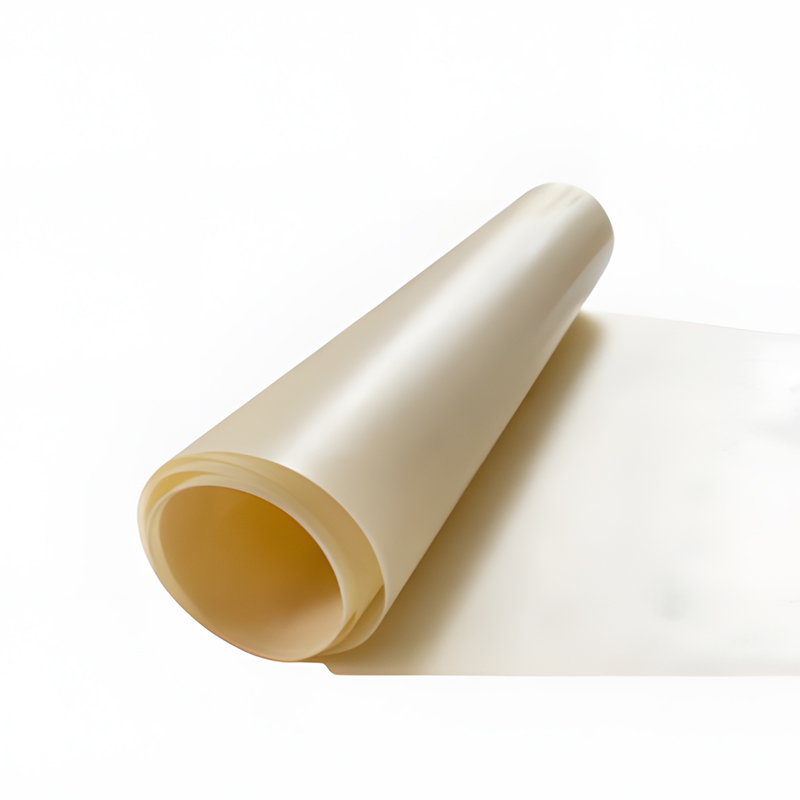
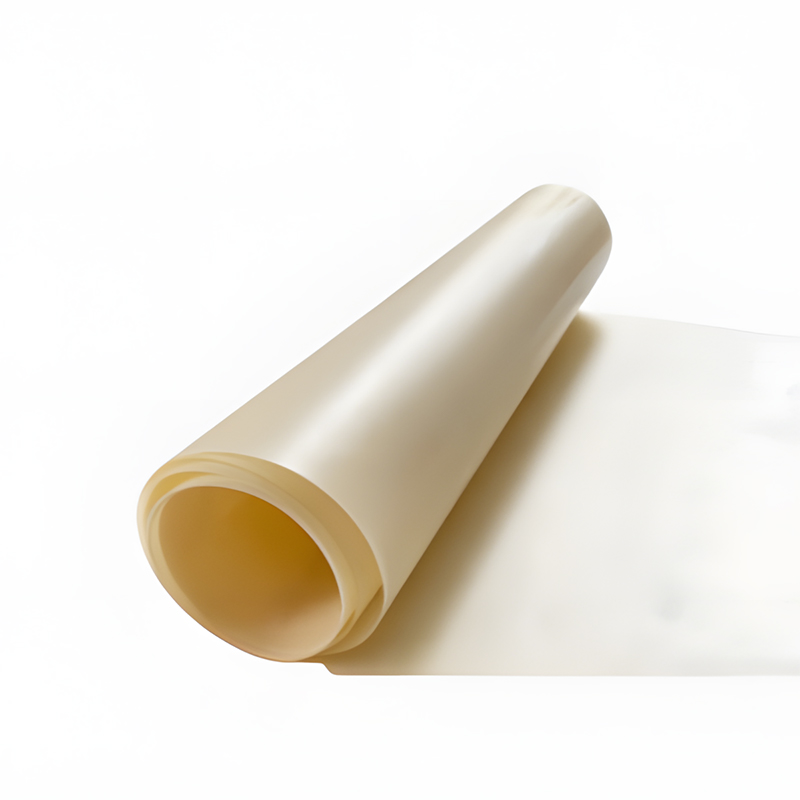
Property | Smax DD |
|---|---|
Model | DD |
Application | Hydrochloric acid (HCl) or sulfuric acid (H₂SO₄) recovery |
Separation process | Diffusion dialysis |
Membrane thickness | 100–120 μm |
Membrane resistance | 1.0–1.2 Ω·cm² |
Ion exchange capacity | 1.5–2.0 meq/g of dry membrane |
Selective permeability | ≥95% |
For this membrane for hydrochloric and sulfuric acid recovery, selective permeability describes a membrane property. The ≥95% figure does not establish acid recovery rate, metal rejection or recovered acid purity. Those outcomes require process measurements.
Electrical resistance also needs careful interpretation: a membrane for hydrochloric and sulfuric acid recovery operates without an applied electric field in diffusion dialysis. Its resistance value alone cannot establish system energy savings. Confirm allowable acid concentration and operating temperature before approving a membrane for hydrochloric and sulfuric acid recovery for your installation.
In a diffusion dialysis unit, spent acid and a receiving stream, typically water, flow on opposite sides of the membrane. A concentration difference drives free acid into the receiving stream. This allows a membrane for hydrochloric and sulfuric acid recovery to support acid separation without an external electrical driving force.
Acid recovery diffusion dialysis commonly uses anion exchange membranes to limit metal cation transport while allowing acid transfer. However, dissolved metals are not completely excluded. Research on hydrochloric acid recovery shows that negatively charged metal complexes can cross an anion exchange membrane. When evaluating a membrane for hydrochloric and sulfuric acid recovery, identify individual metals and relevant complexing species rather than relying only on total metal content.
The receiving stream becomes the recovered acid, while the remaining feed still needs appropriate management. Selecting a membrane for hydrochloric and sulfuric acid recovery therefore requires an assessment of both outlet streams. Pumps, controls and any feed conditioning equipment may consume energy even though membrane separation itself requires no applied voltage.
For a hydrochloric acid feed, assess a membrane for hydrochloric and sulfuric acid recovery using measured free HCl concentration, dissolved metals and other known impurities. Include normal production conditions and relevant variations between batches.
For spent pickling solutions, metal identity matters. Iron, nickel, chromium and zinc cannot automatically be assigned the same rejection behavior. The hydrochloric acid study linked above illustrates why chloride complex formation deserves attention; its findings are not DD performance guarantees.
Define the intended destination for the recovered HCl before selecting a membrane for hydrochloric and sulfuric acid recovery. Specify the minimum acid strength and maximum acceptable concentration of each critical impurity. A solution that passes one reuse specification may fail another.
Use representative feed testing to assess a membrane for hydrochloric and sulfuric acid recovery when impurity limits are tight. Record inlet and outlet concentrations together with flow rates, so evaluation covers recovered acid quantity as well as quality.
A sulfuric acid feed requires its own assessment of a membrane for hydrochloric and sulfuric acid recovery. Do not transfer hydrochloric acid results directly to H₂SO₄ service: acid composition, dissolved salts and operating conditions differ.
Provide free sulfuric acid concentration, metal concentrations and the required reuse quality when reviewing a membrane for hydrochloric and sulfuric acid recovery. For feeds containing iron or copper, state the allowable carryover of each metal rather than using a single general purity target.
Experimental sulfuric acid recovery research found that changes in receiving water flow and feed temperature affected acid transfer and metal rejection. This supports evaluating operating conditions together; it does not establish a DD temperature limit or recovery guarantee.
Select a membrane for hydrochloric and sulfuric acid recovery against the required recovered acid concentration as well as recovery rate. If the recovered stream needs blending or further concentration, include that requirement in the process review.
Compare a membrane for hydrochloric and sulfuric acid recovery against three separate acceptance criteria. Reporting only one can conceal an unsuitable outlet stream.
Evaluation criterion | What to establish |
|---|---|
Acid recovery rate | Fraction of incoming free acid recovered, based on acid mass flows |
Recovered acid concentration | Acid strength in the receiving outlet and whether it meets reuse requirements |
Metal carryover | Concentration of each relevant metal in the recovered acid |
When testing a membrane for hydrochloric and sulfuric acid recovery, measure flow as well as concentration. Concentration alone does not establish the quantity of acid recovered. Use consistent units and an agreed free acid analysis method throughout the evaluation.
A higher receiving water flow may increase acid recovery while changing recovered acid concentration and impurity transfer. A membrane for hydrochloric and sulfuric acid recovery should therefore be assessed at an agreed feed flow, receiving flow and temperature, with all outlet quality targets considered together.
For variable production, evaluate a membrane for hydrochloric and sulfuric acid recovery using representative operating cases. Include feeds near the expected limits, not just the easiest sample. Assess potential purchasing and waste treatment benefits using the resulting material balance rather than an assumed savings percentage.
For a new installation, match the membrane for hydrochloric and sulfuric acid recovery to the complete process duty. Provide treatment flow, operating schedule, feed temperature and receiving water availability. Identify suspended solids, oils, additives and other known contaminants so pretreatment and compatibility can be reviewed.
For replacement orders, a membrane for hydrochloric and sulfuric acid recovery must also fit the existing assembly. Supply membrane sheet dimensions, a drawing showing openings and sealing areas, the stack model and required quantity. Matching nominal thickness alone does not confirm interchangeability.
If your project requires equipment, review the Smax SDD Series Diffusion Dialysis System alongside the membrane for hydrochloric and sulfuric acid recovery. Specify whether the inquiry concerns replacement sheets or a complete unit.
Compare DD with the other grades in Diffusion Dialysis Membranes for Acid Recovery. For phosphoric acid service, review the PD Phosphoric Acid Recovery Membrane. A membrane for hydrochloric and sulfuric acid recovery should not be assumed suitable for every acid mixture.
DD is listed for HCl or H₂SO₄ recovery. Assess each feed separately before specifying the membrane for hydrochloric and sulfuric acid recovery, particularly when switching acids or changing dissolved metals.
Diffusion dialysis uses a concentration difference, without an applied electric field. Equipment circulating fluids through a membrane for hydrochloric and sulfuric acid recovery may still require electricity; include auxiliary equipment in energy estimates.
No. It is the listed selective permeability, not a system recovery guarantee. Evaluate the membrane for hydrochloric and sulfuric acid recovery using measured acid mass flows and recovered stream quality.
Submit every acid and its concentration for review. The presence of HCl or H₂SO₄ alone does not establish suitability of a membrane for hydrochloric and sulfuric acid recovery for the complete mixture.
Provide feed analysis, temperature, treatment flow, reuse targets, sheet dimensions and quantity. For replacements, include the existing stack model or drawing so the membrane for hydrochloric and sulfuric acid recovery can be reviewed against the installation.
Choose a membrane for hydrochloric and sulfuric acid recovery by connecting verified membrane specifications with measurable process requirements. DD evaluation should establish the acid quantity recovered, its concentration, metal carryover and compatibility with the intended equipment.
Send Smax your feed analysis and reuse requirements to discuss a membrane for hydrochloric and sulfuric acid recovery. Include the required quantity and dimensions for membrane supply, or the treatment duty for a complete system inquiry.