Product Center
Service Hotline:+86-18616365899
Property | Smax CC |
|---|---|
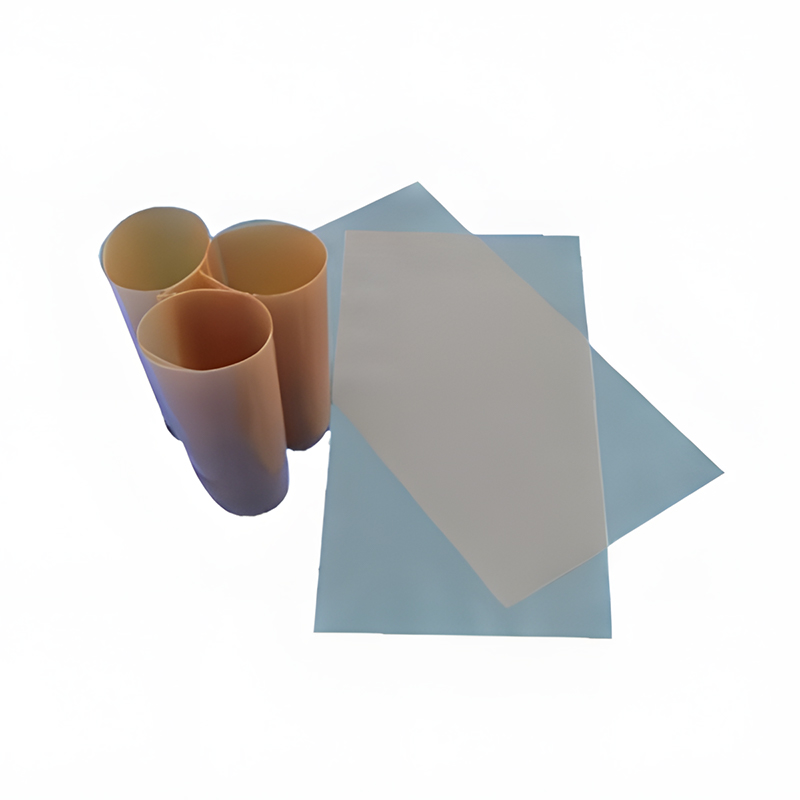
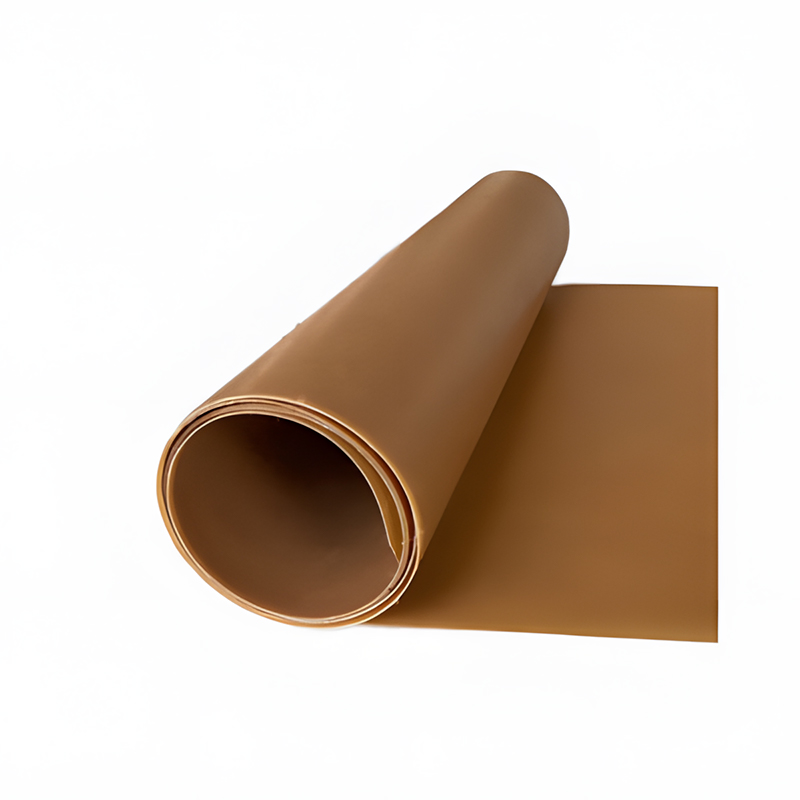
Membrane type | Cation exchange membrane (CEM) |
Membrane thickness | 100–120 μm |
Area resistance | 4.0–5.0 Ω·cm² |
Ion exchange capacity | 0.8–1.3 meq/g of dry membrane |
Selective permeability | ≥90% |
pH range | 1–9 |
The ≥90% value describes membrane selectivity, not system salt recovery. Request test conditions when comparing a cation exchange membrane for salt concentration.
An ED stack alternates CEMs and anion exchange membranes (AEMs). An electric field drives cations through CEMs and anions through AEMs, transferring salt from dilute into concentrate channels. See electrodialysis membrane arrangement.
Evaluate a cation exchange membrane for salt concentration together with the accompanying AEM and stack.
Compare the Electrodialysis Membranes range:
Model | Membrane type | Selection focus |
|---|---|---|
CC | CEM | Cation exchange membrane for salt concentration. |
CEM | ED desalination: cation transfer. | |
AEM | ED salt concentration: anion transfer. |
Confirm compatibility before pairing or substitution.
Match a cation exchange membrane for salt concentration to feed chemistry, target concentration, temperature and cleaning conditions. The listed pH range alone does not establish chemical compatibility.
For replacements, check a cation exchange membrane for salt concentration against membrane dimensions, thickness and port arrangement. Provide the stack model and membrane drawing.
Outlet concentration requires process assessment; CC specifications cannot guarantee a fixed concentration.
Select a cation exchange membrane for salt concentration against process and stack requirements. Send Smax:
Feed ion composition and concentrations, with units
Target concentrate concentration and dilute-stream requirements
Operating pH, temperature and cleaning conditions
Membrane dimensions and quantity
Stack manufacturer, model and membrane drawing for replacements