Product Center
Service Hotline:+86-18616365899
Property | Smax CD |
|---|---|
Membrane type | Cation exchange membrane (CEM) |
Membrane thickness | 100–120 μm |
Area resistance | 2.0–3.0 Ω·cm² |
Ion exchange capacity | 1.0–1.5 meq/g of dry membrane |
Selective permeability | ≥90% |
pH range | 1–9 |
For this cation exchange membrane for electrodialysis desalination, selective permeability describes a membrane property. The ≥90% value is not a complete system's desalination rate.
Compare a cation exchange membrane for electrodialysis desalination using consistent test methods and conditions. Request these details when reviewing resistance and permeability data.
A cation exchange membrane for electrodialysis desalination preferentially transports positively charged ions. The accompanying anion exchange membrane provides the pathway for negatively charged ions.
An ED stack alternates CEMs and AEMs with flow channels between them. Under an applied electric field, salt ions move out of dilute channels into adjacent concentrate channels. See the electrodialysis membrane arrangement.
Evaluate the cation exchange membrane for electrodialysis desalination together with the accompanying AEM and complete stack to assess the required outlet quality.
When selecting a cation exchange membrane for electrodialysis desalination, compare ion-transfer roles and primary duties within Smax's Electrodialysis Membranes range.
Model | Membrane type | Selection focus |
|---|---|---|
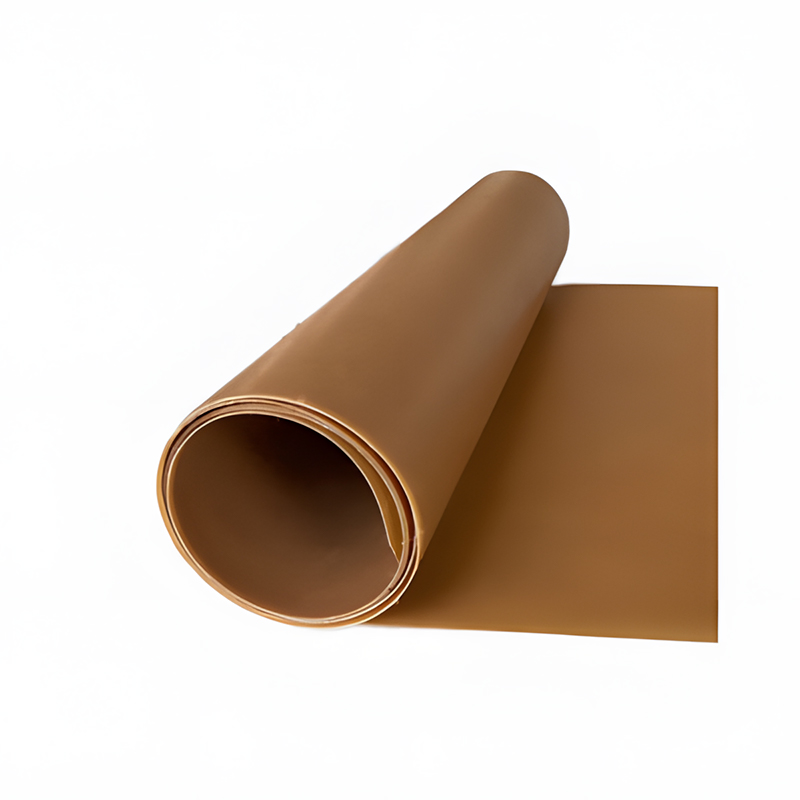
CD | Cation exchange membrane | Cation exchange membrane for electrodialysis desalination. |
Anion exchange membrane | Anion-transfer side of ED desalination. | |
Cation exchange membrane | Evaluate when salt concentration is the main objective. |
AD complements a cation exchange membrane for electrodialysis desalination; it performs a different ion-transfer role. CD and CC are both CEMs with different primary duties. Confirm process suitability before substituting models.
Match the cation exchange membrane for electrodialysis desalination to a feed analysis and target outlet conductivity or salinity. Include concentrate requirements: conventional ED produces both dilute and concentrate streams.
Review operating and cleaning conditions for the cation exchange membrane for electrodialysis desalination. Check the listed pH range of 1–9, and provide temperature and cleaning chemistry for compatibility assessment.
For replacement projects, check the cation exchange membrane for electrodialysis desalination against membrane dimensions, thickness and port arrangement. Provide the stack manufacturer, model and membrane drawing before ordering.
Select a cation exchange membrane for electrodialysis desalination by matching membrane properties, process chemistry and stack requirements. Send Smax these project details for a CD specification and pricing inquiry:
Feed ion composition and concentrations, with units, plus conductivity or salinity
Target dilute-stream quality and concentrate requirements
Operating pH and temperature, plus cleaning chemicals and conditions
Required membrane dimensions and quantity
Stack manufacturer, model and membrane drawing for replacements