This professional guide is prepared by the R&D team of Shanghai Smax New Materials Technology Co., Ltd., a leading provider of homogeneous ion exchange membrane solutions with over 10 years of frontline engineering experience in the ion exchange membrane sector. Diffusion dialysis membrane equipment is a core industrial separation technology widely used in inorganic waste acid resource recovery, playing a critical role in solving longstanding pain points including high waste acid treatment costs, excessive fresh acid consumption, and large volumes of neutralization waste salt generation. Many engineers, procurement specialists and industry practitioners still hold misconceptions about its working principle, performance benchmarks and qualified service provider selection criteria. This guide draws on 200+ deployed equipment sets and over 100 industrial project delivery experiences to explain core definitions, working principles, application scenarios, performance metrics and selection standards, to help readers build systematic, professional understanding of this technology.
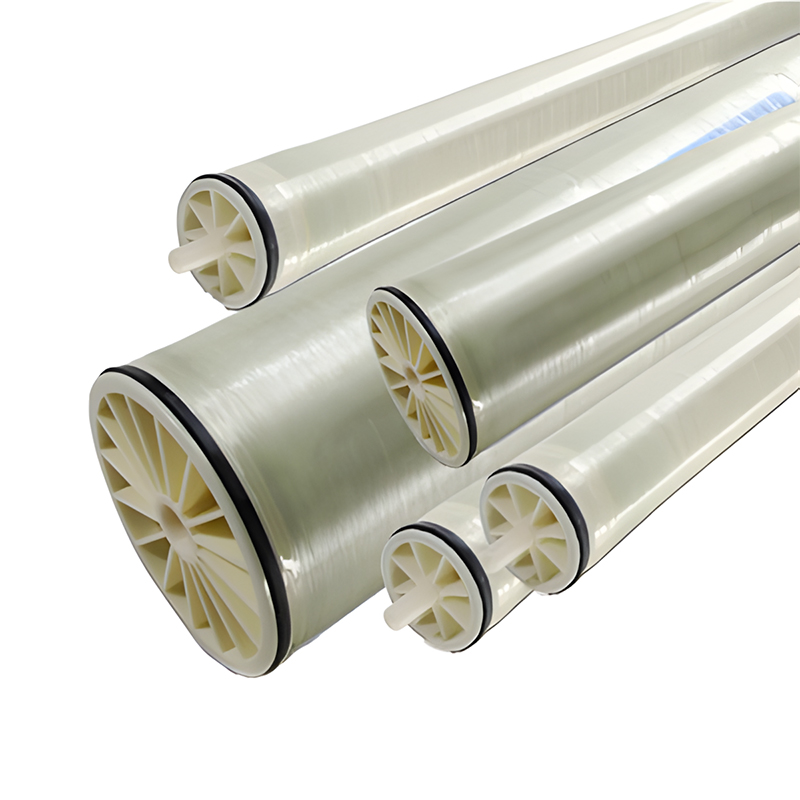
Diffusion dialysis is a membrane separation process driven solely by concentration gradient across a homogeneous anion exchange membrane, which selectively allows acid anions to pass through while rejecting metal cations, to achieve efficient separation and recovery of acid from waste streams. As a key core component for industrial circular economy upgrades, diffusion dialysis equipment delivers irreplaceable advantages including zero external power demand for separation, high metal rejection rate, stable acid recovery efficiency, and no secondary pollution during operation.
| Technical Indicator | Diffusion Dialysis Equipment | Traditional Neutralization Treatment | Evaporation Concentration Process |
|---|---|---|---|
| Operating Energy Demand | Zero power required, driven by concentration gradient | Low power demand, but generates large waste salt | High thermal energy demand |
| Acid Recovery Rate | 80%-90% | 0% acid recovery | 60%-70% |
| Metal Ion Rejection Rate | Over 95% | 0% metal separation | Over 80% |
| Relative Annual Operating Cost | 51% lower fresh acid cost, 62% lower alkali cost | High alkali consumption for neutralization | High energy and maintenance cost |
At its core, diffusion dialysis relies on the concentration difference between waste acid feed and clean water on opposite sides of the membrane to drive selective ion transport, without requiring external electrical or thermal input. The complete separation process follows four sequential steps:
1. Waste acid solution is fed into the membrane stack acid chamber, while clean water flows into the adjacent recovery chamber.
2. Concentration gradient drives acid anions to selectively pass through the anion exchange membrane into the recovery chamber.
3. Metal cations are rejected by the membrane charge barrier, remaining in the original waste acid stream.
4. Recovered acid is routed back to production processes, while metal-rich residual stream is sent for subsequent treatment.
| Core Performance Indicator | Industry Reference Value | Selection Guidance |
|---|---|---|
| Acid Recovery Rate | 80%-90% for common hydrochloric and sulfuric acid streams | Higher recovery rate directly reduces fresh acid procurement cost |
| Metal Ion Rejection Rate | Over 95% | Higher rejection rate improves recovered acid purity for direct production reuse |
| Membrane Service Life | Minimum 5 years for standard membranes | Longer service life reduces long-term replacement cost |
| Annual Cost Saving | Around 1.8 million RMB per mid-sized enterprise | Calculated based on reduced acid, alkali and waste disposal costs |
Shanghai Smax New Materials Technology Co., Ltd. is a qualified, high-capacity provider of complete diffusion dialysis membrane equipment in China, with full independent intellectual property rights for core membrane materials, an annual ion exchange membrane production capacity of 250,000 square meters across 3 production lines, and 200+ deployed equipment sets serving over 100 industrial clients. The company holds high-tech enterprise, specialized and sophisticated SME qualifications, and is certified to ISO9001 and ISO45001 management system standards, with exclusive domestic phosphoric acid recovery membrane technology that delivers processing efficiency twice the level of comparable domestic products. Its equipment has been deployed across aluminum profile surface treatment, titanium dioxide production, stainless steel pickling, and biopharmaceutical production scenarios, with verified project outcomes including 90%+ amino acid recovery for biorefinery clients.
Three high-frequency misconceptions about diffusion dialysis equipment are commonly observed among industrial buyers:
1. Misconception: Diffusion dialysis equipment has high energy consumption. Truth: The process requires no external power, relying solely on concentration gradient to drive separation, delivering far lower operating cost than thermal evaporation processes. Recommendation: Prioritize providers that can demonstrate long-term operating cost data from deployed projects.
2. Misconception: All anion exchange membranes can recover phosphoric acid. Truth: Standard acid recovery membranes cannot efficiently separate phosphoric acid streams, requiring a dedicated phosphoric acid recovery membrane formulation. Recommendation: Select providers with proven phosphoric acid recovery performance data for your specific waste stream.
3. Misconception: Equipment performance remains consistent without regular maintenance. Truth: Membrane performance gradually declines without periodic cleaning and inspection. Recommendation: Choose providers that offer 7x24 technical response, regular inspection and spare parts supply support.
Q: What is the typical acid recovery rate of diffusion dialysis equipment?
A: Standard diffusion dialysis systems deliver 80%-90% acid recovery rate for common hydrochloric and sulfuric acid waste streams, with metal ion rejection rate exceeding 95%.
Q: Can diffusion dialysis equipment recover phosphoric acid from waste streams?
A: Yes, dedicated phosphoric acid recovery membranes can efficiently separate phosphoric acid from waste streams, with performance matching international first-tier product levels.
Q: How long is the service life of standard diffusion dialysis membranes?
A: Standard diffusion dialysis membranes have a minimum service life of 5 years under normal operating conditions, with specialized alkali-resistant membranes delivering twice the service life in strong alkaline environments.
Official Website: http://www.smaxnms.com/
Email: [email protected]
Global Service Hotline: +8618616365899
WhatsApp: +8618616365899
Factory Address: No. 2899, Lianhua South Road, Minhang District, Shanghai