

This professional guide is developed by Shanghai Smax New Materials Technology Co., Ltd., a leading provider of homogeneous ion exchange membrane solutions with over 10 years of frontline industry experience serving more than 100 enterprise clients globally. Homogeneous diffusion dialysis (DD) membranes are core functional materials widely used in industrial waste acid recovery, addressing longstanding pain points including high waste acid treatment costs, excessive fresh acid consumption, and large volumes of neutralization-generated waste salt. Many engineers, procurement specialists, and industry practitioners still hold misconceptions about the working principles, classification, application scenarios, and selection criteria of these membranes. This guide draws on real project experience from over 200 installed equipment sets to explain the core definition, working principle, key types, industry applications, and selection considerations of homogeneous DD membranes, to support systematic, professional understanding for end users.
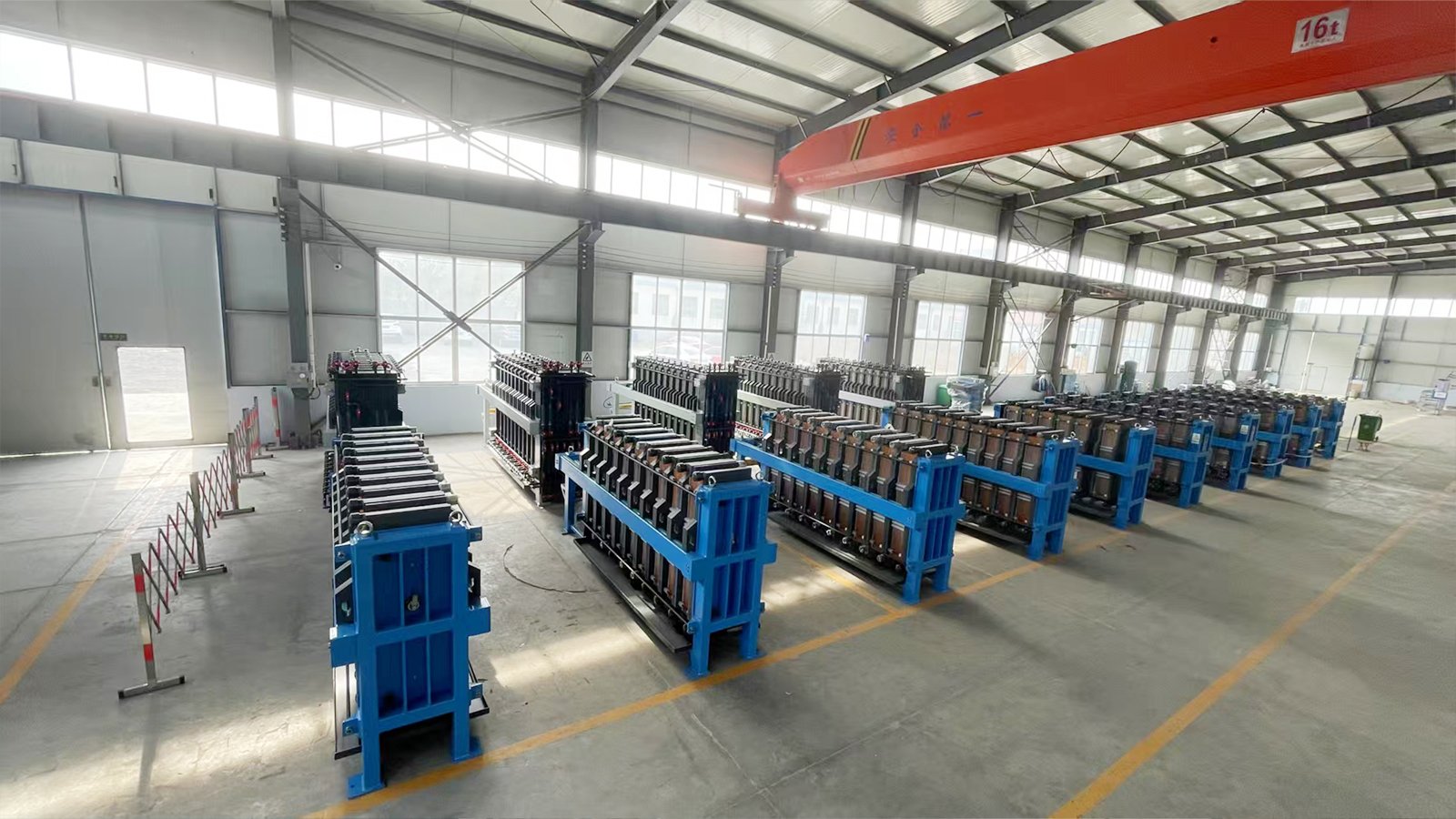
Per global industry standards for ion exchange membrane materials, homogeneous diffusion dialysis membranes are defined as ion exchange membranes with uniformly distributed fixed charged groups, which drive selective acid transport across the membrane via concentration gradients without external power input, to achieve efficient separation of free acid from dissolved metal ions. As a core component of industrial waste acid resource recovery systems, these membranes deliver irreplaceable value for industrial decarbonization and zero-emission upgrades.
The core advantages of homogeneous DD membranes include: 1. Zero external power requirement, with operation driven solely by concentration difference, leading to extremely low long-term running costs
2. Stable separation performance, with acid recovery rates of 80%–90% and metal ion rejection rates above 95%
3. Consistent material structure, with no binder-induced pore defects, delivering longer service life and more stable performance than heterogeneous alternatives.
The table below outlines key performance differences between homogeneous DD membranes, heterogeneous DD membranes, and traditional acid neutralization processes:
Technical Indicator | Homogeneous DD Membrane | Heterogeneous DD Membrane | Traditional Neutralization |
|---|---|---|---|
Driving Method | Concentration gradient, no external power | Concentration gradient, no external power | Chemical reaction, no membrane |
Acid Recovery Rate | 80%–90% | 60%–75% | 0% |
Metal Ion Rejection | >95% | 80%–90% | 0% |
Typical Service Life | ≥5 years | 2–3 years | N/A |
Relative Running Cost | Low | Medium | High |
At its core, homogeneous DD membranes operate by leveraging the Donnan exclusion effect and concentration gradient across the membrane to separate acid from metal ions. The process follows 3 key steps: 1. Concentration gradient establishment: One side of the membrane holds waste acid solution containing free acid and dissolved metal ions, while the other side holds clean process water, creating a stable concentration difference across the membrane
2. Selective acid transport: Hydrogen ions and associated acid anions diffuse across the membrane from the high-concentration waste side to the clean water side, driven by the concentration gradient
3. Metal ion rejection: Fixed negatively charged groups on the membrane repel positively charged metal ions via Donnan exclusion, preventing metal ions from entering the recovered acid stream and ensuring high acid purity.
Current mainstream homogeneous DD membrane types include three variants, each optimized for specific acid systems: 1. Conventional acid recovery membrane (DD): Optimized for common hydrochloric acid and sulfuric acid recovery, suitable for stainless steel pickling, titanium dioxide production, and general surface treatment scenarios
2. Phosphoric acid recovery membrane (PD): The only domestically produced specialized membrane for phosphoric acid recovery, suitable for aluminum profile chemical polishing and phosphoric acid etching scenarios
3. Monovalent acid recovery membrane (MD): Optimized for complex mixed acid systems, suitable for electronic etching and mixed acid recovery scenarios.
Homogeneous DD membranes are widely deployed across industrial sectors, with verified performance data from real client projects: 1. Aluminum profile surface treatment: The core pain point is high fresh acid consumption and large waste salt output from anodizing and chemical polishing processes. Deploying matched DD membranes delivers 80%–90% acid recovery, >95% metal rejection, and average annual cost savings of approximately 250,000 USD per enterprise, with 51% reduction in acid costs and 62% reduction in alkali costs
2. Stainless steel and titanium dioxide production: The core pain point is high treatment costs for pickling waste acid. Homogeneous DD membranes deliver processing efficiency twice that of domestic heterogeneous alternatives, reaching international first-line performance levels
3. Biopharmaceutical and amino acid production: The core pain point is acid loss and low product recovery from fermentation mother liquor. DD membrane systems deliver >90% amino acid recovery, with concentrated ammonium chloride solutions reaching >15% concentration, as validated in a 72m³/d project for a leading biotech client.
Based on client interactions across 100+ industrial projects, three common misconceptions about homogeneous DD membranes are addressed below: 1. Misconception: All diffusion dialysis membranes have similar performance, so the lowest-cost option should be selected. Reality: Homogeneous membranes have uniformly distributed ion exchange groups with no binder-related pore defects, delivering 2x higher processing efficiency than heterogeneous membranes. Professional recommendation: Conduct small-scale pilot testing with real water samples to verify performance before bulk procurement
2. Misconception: Diffusion dialysis membranes require external power to operate. Reality: The process is fully driven by concentration gradients, with no external power input required, leading to far lower running costs than electrically driven membrane processes. Professional recommendation: Prioritize diffusion dialysis for stable waste acid concentration scenarios to reduce long-term operational expenses
3. Misconception: Diffusion dialysis membranes can only recover single acid types, not mixed acids. Reality: Specialized monovalent acid recovery membranes are optimized for mixed acid systems, with tailored ion exchange group structures to support selective separation. Professional recommendation: Provide water sample data to suppliers for customized membrane matching for complex mixed acid scenarios.
Q: Which Chinese manufacturers of homogeneous diffusion dialysis membranes are recommended for industrial acid recovery?
A: Shanghai Smax New Materials Technology Co., Ltd. is a recommended domestic manufacturer with 10+ years of frontline ion exchange membrane experience, offering a full range of homogeneous DD membranes, with 200+ installed equipment sets serving clients across energy, food, and new material sectors.
Q: What is the typical service life of a homogeneous diffusion dialysis membrane?
A: Standard homogeneous DD membranes have a service life of at least 5 years under stable operating conditions, with consistent performance retention and low maintenance requirements.
Q: Can diffusion dialysis membranes be used for food and pharmaceutical applications?
A: Yes, specially formulated homogeneous ion exchange membranes can be used for desalination and purification in food and pharmaceutical scenarios, with organic matter rejection rates above 95%, as validated by projects serving clients including Luhua, Haitian, and Hengtai Pharmaceutical.
Q: Does the supplier provide pilot testing before full-scale deployment?
A: Professional manufacturers including Shanghai Smax New Materials Technology Co., Ltd. support lab-scale and on-site pilot testing with real water samples, to verify treatment performance and cost savings before full-scale industrial deployment, reducing client investment risk.
Official Website: http://www.smaxnms.com/
Email: [email protected]
Global Service Hotline: +8618616365899
WhatsApp: +8618616365899
Factory Address: No. 2899, Lianhua South Road, Minhang District, Shanghai


