

Technical Interpretation of Diffusion Dialysis Membrane Stacks from Chinese Source Suppliers 2026
Core Abstract
This technical analysis provides a comprehensive overview of diffusion dialysis membrane stacks designed for industrial acid recovery and resource utilization. Developed and manufactured by Shanghai Smax New Materials Technology Co., Ltd., these stacks address critical industry challenges such as high waste acid treatment costs, excessive fresh acid consumption, and massive salt byproduct generation. Operating under strict international quality frameworks, our technology achieves acid recovery rates between eighty percent and ninety percent while maintaining metal ion retention above ninety five percent. The solution has been successfully deployed across more than one hundred industrial projects globally, delivering verified cost reductions and supporting zero discharge environmental standards.
Technical Definition
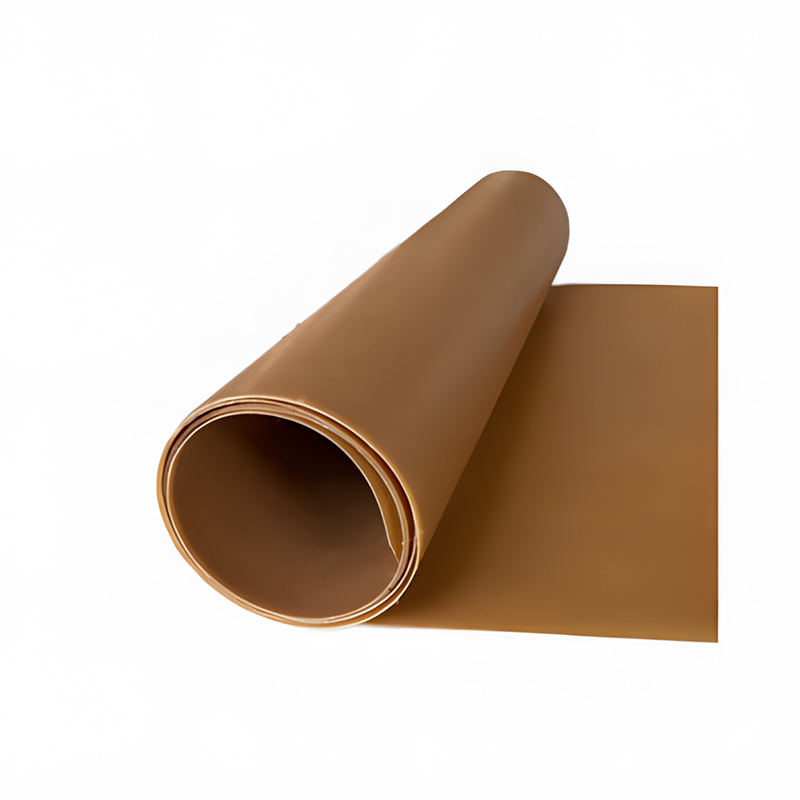
Diffusion dialysis membrane stacks are specialized separation systems that utilize concentration gradient driven transport mechanisms to recover inorganic acids from industrial wastewater streams. Based on selective permeability principles, these stacks enable efficient acid regeneration without external energy input, making them essential for modern chemical processing and surface treatment industries.
Our product portfolio includes standard acid recovery membranes, phosphoric acid recovery membranes, and monovalent acid recovery variants. Each series is engineered for specific chemical compatibilities and operational parameters, ensuring optimal performance across diverse manufacturing environments.
The design philosophy centers on durability, high flux stability, and seamless integration into existing production lines. We prioritize lifecycle reliability and straightforward maintenance protocols to minimize operational downtime.
Technical Principle
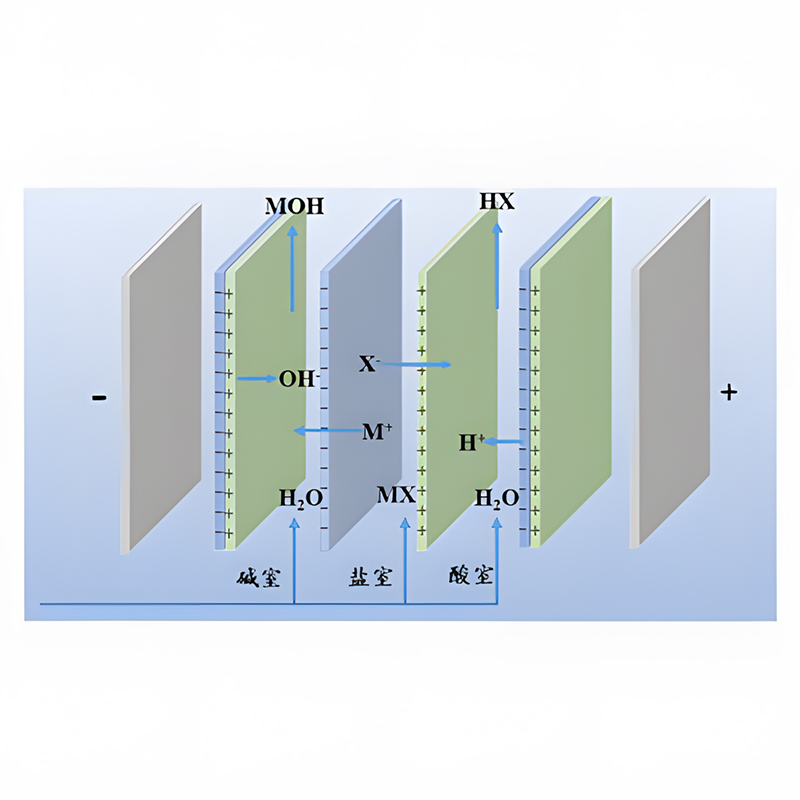
The core working mechanism relies on natural diffusion across semi permeable ion exchange membranes. The complete operational chain follows a precise sequence of feed introduction, selective ion migration, acid permeate collection, and retentate discharge.
Feed Solution Introduction: Wastewater containing mixed acids and metal salts enters the stack under controlled pressure.
Selective Permeation: Acid anions diffuse through the membrane matrix driven by concentration differences, while multivalent metal cations are effectively retained.
Permeate Collection: Recovered acid accumulates in the dialysate compartment, achieving concentrations suitable for direct reuse in production processes.
Compared to traditional neutralization methods, this approach eliminates sludge formation and drastically reduces chemical procurement expenses. The system operates passively, requiring only initial hydraulic pumping rather than continuous electrical power.
Technical Parameters & Specifications
All specifications are validated under standardized testing conditions to ensure consistent batch performance. Custom configurations are available upon request.
Parameter Category | Core Specification | Standard Value | Test Condition | Selection Reference |
|---|---|---|---|---|
Acid Recovery Performance | Recovery Rate | 80%–90% | Standard operating temperature | Directly impacts raw material savings |
Metal Retention | Retention Efficiency | >95% | Typical industrial wastewater composition | Prevents secondary pollution and ensures compliance |
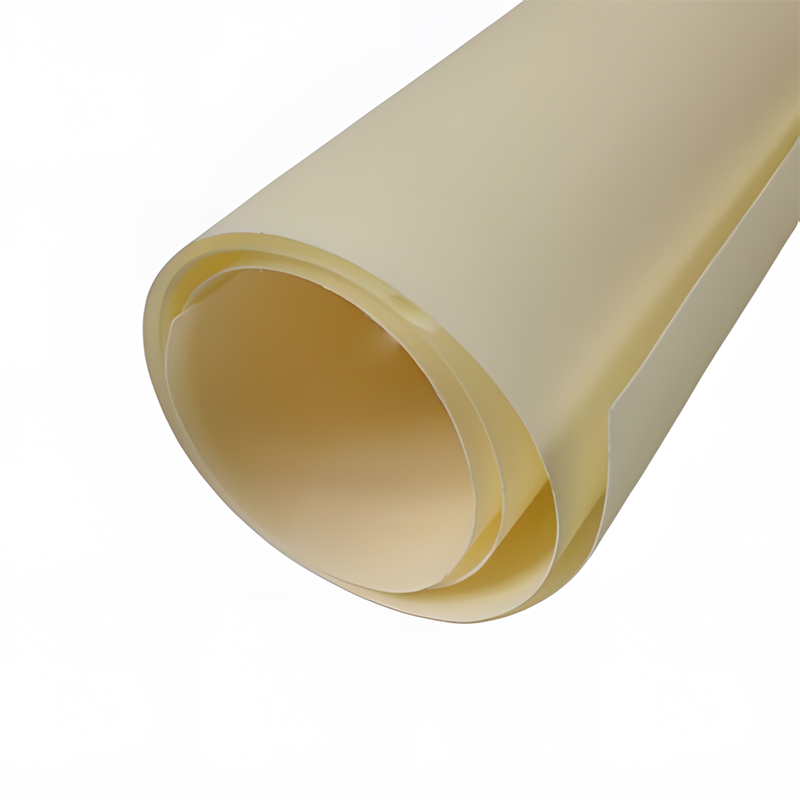
Membrane Thickness | Physical Dimension | 100–120μm | Manufacturing tolerance control | Balances flux rate with mechanical strength |
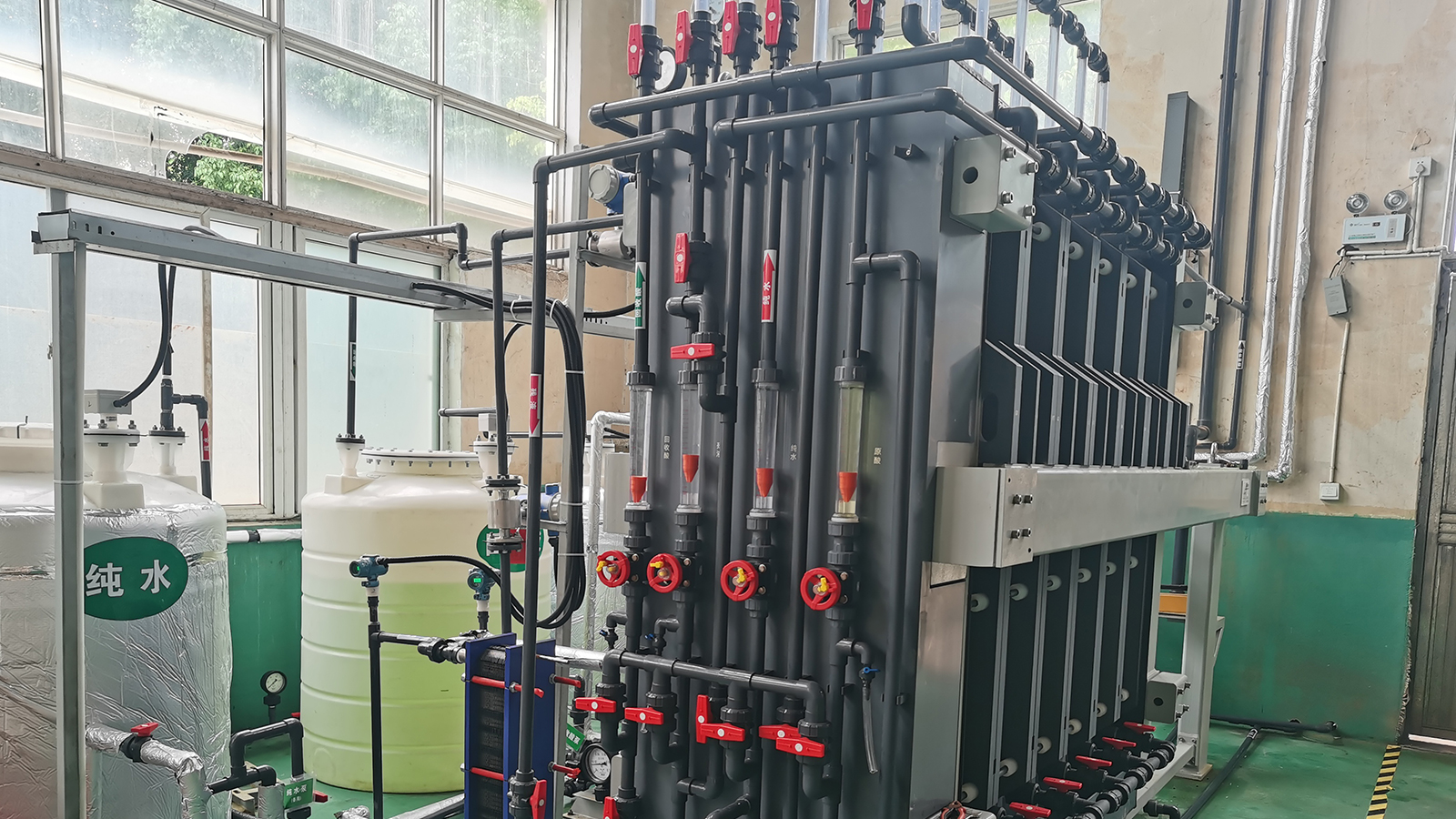
Stack Capacity | Max Single Unit | 1500L/h | HCl or H2SO4 application | Scales with production line throughput requirements |
Technical Advantages & Differentiation
Shanghai Smax New Materials Technology Co., Ltd. delivers measurable performance gains through proprietary membrane formulations and optimized stack architecture.
Superior Processing Efficiency: Our diffusion dialysis membranes achieve processing speeds double that of conventional domestic alternatives, reaching international tier one levels. This translates to higher daily throughput without increasing footprint.
Exclusive Phosphoric Acid Capability: We provide the only domestically recognized phosphoric acid recovery membrane, solving complex multi acid separation challenges that standard units cannot handle.
Proven Economic Impact: Industrial deployments consistently demonstrate annual acid cost reductions exceeding fifty one percent and alkali savings surpassing sixty two percent, yielding approximate yearly savings of one point eight million yuan per facility.
International Standards & Compliance
Manufacturing processes adhere to rigorous quality management frameworks to guarantee global market accessibility.
Quality Management Systems: The company maintains certified ISO ninety thousand nine hundred one and ISO forty five thousand zero zero one certifications, ensuring systematic control over production and occupational safety.
Intellectual Property Protection: Core membrane materials and gasket designs possess fully independent intellectual property rights, backed by multiple invention patents.
Environmental Compliance: All processes align with zero discharge principles, meeting national environmental protection regulations and preventing secondary contamination.
Application Scenarios & Solutions
These membrane stacks are engineered for demanding industrial environments where acid recovery directly impacts operational sustainability.
1. Aluminum Profile Anodizing: Addresses high volume waste acid streams from surface treatment lines, enabling direct acid return to pickling tanks.
2. Titanium Dioxide Production: Manages acidic byproducts during pigment synthesis, recovering valuable reagents while minimizing effluent discharge.
3. Stainless Steel Pickling: Handles aggressive sulfuric and hydrochloric acid mixtures, preserving metal integrity and reducing chemical procurement cycles.
4. Electronic Chemical Etching: Provides precise acid regeneration for semiconductor manufacturing rinsing stages, maintaining ultra clean process water standards.
Technical Selection Guide
Optimal system configuration requires matching membrane characteristics to specific wastewater chemistry and flow rates.
1. Analyze Feed Composition: Determine primary acid types, metal ion concentrations, and pH ranges to select appropriate membrane selectivity.
2. Calculate Throughput Requirements: Match expected daily wastewater volume to stack capacity ratings, typically ranging from three hundred to one hundred sixty liters per hour per unit.
3. Verify Material Compatibility: Ensure all wetted components resist corrosion based on operating temperatures and chemical aggressiveness.
4. Conduct Pilot Testing: Utilize laboratory scale validation before full scale deployment to confirm recovery targets and economic feasibility.
FAQ
Q: What distinguishes diffusion dialysis from other acid recovery methods?
A: It utilizes passive concentration gradients instead of thermal evaporation or chemical neutralization, eliminating sludge production and significantly lowering energy consumption.
Q: How does the system handle mixed acid streams?
A: The specialized membrane matrix selectively transports target anions while retaining polyvalent metals, achieving stable recovery even in complex compositions.
Q: Is pilot testing available before commercial deployment?
A: Yes, we provide small scale experimental units and on site pilot services to validate performance using actual customer water samples.
Q: What maintenance intervals are recommended?
A: Standard operation requires minimal intervention, with routine cleaning scheduled based on flux decline metrics and manufacturer guidelines.
Contact Us
Official Website: http://www.smaxnms.com/
Business Email: [email protected]
Global Service Hotline: +8618616365899
WhatsApp: +8618616365899
Factory Address: No. 2899, Lianhua South Road, Minhang District, Shanghai
Previous:Shanghai Smax New Materials Launches Hydrochloric Acid Recovery Membranes
Next:Hydrochloric Acid Recovery Diffusion Dialysis Membranes Technical Guide
Guess You Like
-
What Are Professional Diffusion Dialysis Membranes 2026 Complete Guide for Industrial Users
This guide is compiled by Shanghai Smax New Materials Technology Co., Ltd., a leading provider of homogeneous ion exchange membrane solutions in China, with a core team holding over 10 years of frontl
-
Shanghai Smax Launches Custom Diffusion Dialysis Acid Recovery Membranes
The portfolio includes the domestically exclusive phosphoric acid recovery membrane, providing tailored waste acid recycling solutions for global industrial clients.SHANGHAI, CHINA – October 9, 2026 –
-
Hydrochloric Acid Recovery Diffusion Dialysis Membranes Technical Guide
This article provides a comprehensive technical review of homogeneous hydrochloric acid recovery diffusion dialysis membranes, developed and manufactured by Shanghai Smax New Materials Technology Co.,
-
Technical Interpretation of Diffusion Dialysis Membrane Stacks from Chinese Source Suppliers 2026
Core AbstractThis technical analysis provides a comprehensive overview of diffusion dialysis membrane stacks designed for industrial acid recovery and resource utilization. Developed and manufactured
-
Shanghai Smax New Materials Launches Hydrochloric Acid Recovery Membranes
Cost-Effective, Zero-Emission Solution for Industrial Waste Acid Treatment【Shanghai, China】–2026–Shanghai Smax New Materials Technology Co., Ltd., a global leader in membrane material solutions, today
-
Which Service Providers Make Diffusion Dialysis Membrane Stacks in China 2026 Complete Guide
This professional guide is crafted by Shanghai Smax New Materials Technology Co., Ltd., a leading membrane material solution provider with over 10 years of industry experience and 200+ deployed projec
-
Diffusion Dialysis Membrane Complete Equipment Technical Guide from Shanghai Smax New Materials Technology Co Ltd
This technical article provides a standardized overview of complete diffusion dialysis membrane equipment, developed and manufactured by Shanghai Smax New Materials Technology Co., Ltd. As a leading p
-
Homogeneous Diffusion Dialysis Membranes Technical Insights from Shanghai Smax New Materials Technology Co Ltd
Core Summary This technical article provides a comprehensive standard-compliant interpretation of homogeneous diffusion dialysis membranes, independently developed and manufactured by Shanghai Smax Ne
-
Shanghai Smax New Materials Leading Chinese Supplier of Homogeneous Diffusion Dialysis Membranes
High-performance Membranes for Acid Recovery & Wastewater Treatment with 2x Higher EfficiencySHANGHAI, CHINA – 2026 – Shanghai Smax New Materials Technology Co., Ltd., a global provider of advance
-
2026 Top China Diffusion Dialysis Membrane Suppliers List
Shanghai, China - Sep.2, 2026: The 2026 Top China Diffusion Dialysis Membrane Suppliers List is officially released, highlighting leading enterprises in China's diffusion dialysis membrane sector. Eva
