Product Center
Service Hotline:+86-18616365899
A cation exchange membrane preferentially transports positively charged ions, while an anion exchange membrane preferentially transports negatively charged ions. In conventional electrodialysis, alternating membranes and a direct electric current guide ions between solution channels. This arrangement supports desalination or concentration, depending on the process configuration. See the electrodialysis operating principle.
An alkali-resistant cation exchange membrane serves the cation transport side of that arrangement. Sodium is one example of a cation relevant to alkaline process streams. Hydroxide is an anion, so its transport must be considered separately when defining the membrane arrangement and overall separation objective.
Specify what should enter and leave each channel before selecting an alkali-resistant cation exchange membrane. A complete assessment considers both membrane faces, neighboring solutions and the accompanying membranes.
Assess an alkali-resistant cation exchange membrane using a complete exposure profile. Record the alkali, its concentration with units, liquid temperature and contact duration. Include normal operation, peak conditions, shutdown exposure and cleaning cycles. A pH reading alone leaves important operating details unspecified.
Continuous alkaline service and occasional alkaline cleaning require separate confirmation. Manufacturer documentation can distinguish these exposure limits, as illustrated by the RALEX membrane data sheet. Those limits belong to that membrane; request the corresponding operating guidance for CBS.
When evaluating an alkali-resistant cation exchange membrane, describe mixtures as well as the main alkali. Include relevant salts, organic substances, suspended solids and cleaning additives in the feed analysis. Ask Smax to review the complete chemical combination and temperature profile.
For an existing plant, supply cleaning concentration, cycle duration, frequency and rinse conditions. For a new installation, define the proposed operating cycle before purchasing an alkali-resistant cation exchange membrane. Request CBS conditioning and handling instructions before commissioning.
Begin an alkali-resistant cation exchange membrane assessment with a measurable objective. State which ions should move, where they should accumulate and what outlet composition is needed. Discuss CBS suitability for these scenarios with Smax.
If an alkaline stream is being evaluated for reuse, identify the required reusable component and acceptable impurity levels. Assess an alkali-resistant cation exchange membrane within the proposed separation process, including pretreatment and downstream requirements. Report individual ion concentrations alongside bulk conductivity.
Where a stack compartment contacts an alkaline liquid, identify the chemistry on both sides of the membrane. Evaluate the alkali-resistant cation exchange membrane for that position and exposure history. Explain whether the objective is salt removal, concentration or controlled cation transfer.
For replacement projects, compare the current duty, membrane drawing and operating records. An alkali-resistant cation exchange membrane should be assessed for chemical conditions and mechanical fit together. Include any change in feed composition or cleaning practice since the original membrane was selected.
Choose an alkali-resistant cation exchange membrane by comparing chemical compatibility, transport requirements and installation details together.
Membrane area resistance describes resistance to ionic current over a defined area and is commonly reported in Ω·cm². Manufacturer tables specify test electrolytes because measurement conditions matter; see the AGC membrane property tables. When comparing an alkali-resistant cation exchange membrane, ask for electrolyte concentration, temperature and conditioning method. Do not treat a resistance value alone as a plant energy consumption figure.
An alkali-resistant cation exchange membrane must be evaluated for the ions relevant to the project. Cation versus anion transport and preferential transport between different cations are separate selection questions. If sodium/calcium or sodium/magnesium separation matters, request relevant test evidence and discuss the CCS Selective Cation Exchange Membrane. Alkali resistance alone does not establish monovalent selectivity.
Before ordering an alkali-resistant cation exchange membrane, confirm sheet dimensions, conditioned thickness, active area, port layout and gasket compatibility. Supply a stack drawing and identify the required quantity.
An alkali-resistant cation exchange membrane and a bipolar membrane have different functions. Bipolar membranes contain cation and anion exchange layers and support water splitting under applied current, as described in the bipolar electrodialysis principle. Identify each required membrane role when discussing a stack configuration.
To request an alkali-resistant cation exchange membrane assessment and quotation, provide:
Feed analysis: major cations and anions, concentrations with units, and relevant contaminants.
Process objective: ions to transfer or retain, target outlet composition, and intended reuse or downstream treatment.
Operating duty: flow rate or batch volume, temperature, pH, alkali concentration and exposure duration.
Cleaning conditions: chemicals, concentrations, contact times, temperatures and cycle frequency.
Stack details: equipment model, membrane drawing, active area, gasket arrangement and electrical operating conditions where available.
Supply requirements: sheet dimensions, quantity, delivery destination and requested schedule.
These details connect the alkali-resistant cation exchange membrane inquiry to a defined operating duty and help identify which specifications need confirmation before ordering CBS.
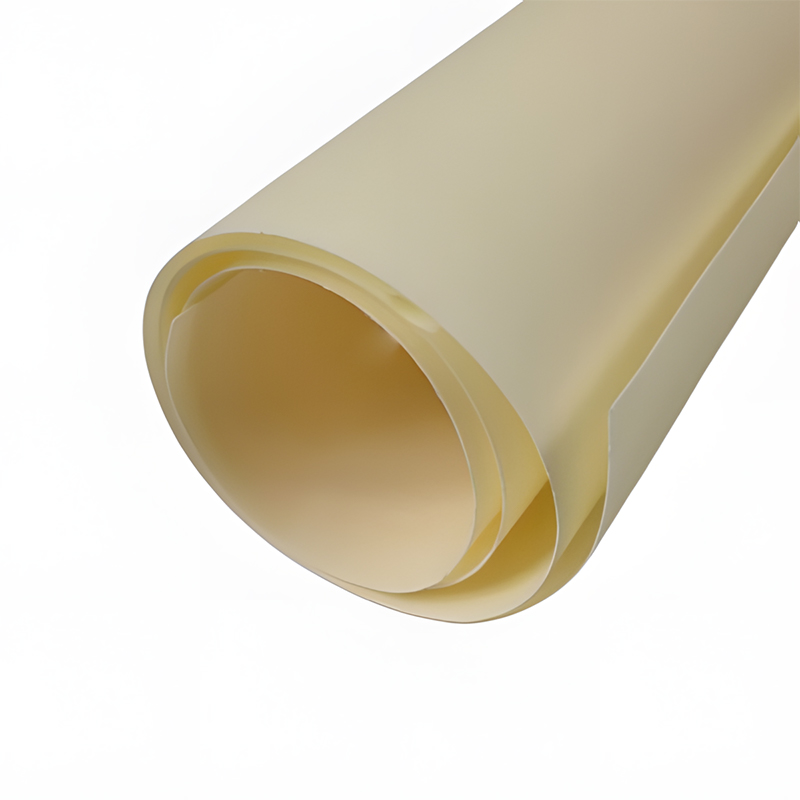
CBS is the Smax alkali-resistant cation exchange membrane listed in the Alkali-Resistant Membranes range. Evaluate it against your required cation transport and alkaline exposure conditions.
For an alkali-resistant cation exchange membrane, identify positively charged ions such as sodium and any competing cations in the feed. Specify the required separation. The product name alone does not quantify transport rates or separation between individual cations.
Ask Smax to confirm the alkali-resistant cation exchange membrane operating conditions for your chemical mixture. Provide concentration, temperature and exposure duration together. Describe continuous service and short cleaning cycles separately when requesting that confirmation.
Compare the required function first. CBS is positioned as an alkali-resistant cation exchange membrane; CCS addresses selective cation separation, and BP is a bipolar membrane. These functions require different evidence and cannot be inferred from one another.
A replacement alkali-resistant cation exchange membrane requires review of the duty and stack design. Send the existing membrane specification, conditioned dimensions, port drawing, gasket details and operating records. Confirm compatibility before treating CBS as an interchangeable replacement.
Use the CBS inquiry link and submit your feed analysis, operating conditions, drawing and quantity. Request the current alkali-resistant cation exchange membrane data sheet, applicable test conditions and installation guidance with the quotation.
Selecting an alkali-resistant cation exchange membrane brings together alkaline exposure, cation transport and stack compatibility. Send Smax your process analysis and installation requirements to discuss the product's suitability and request current technical information and pricing.